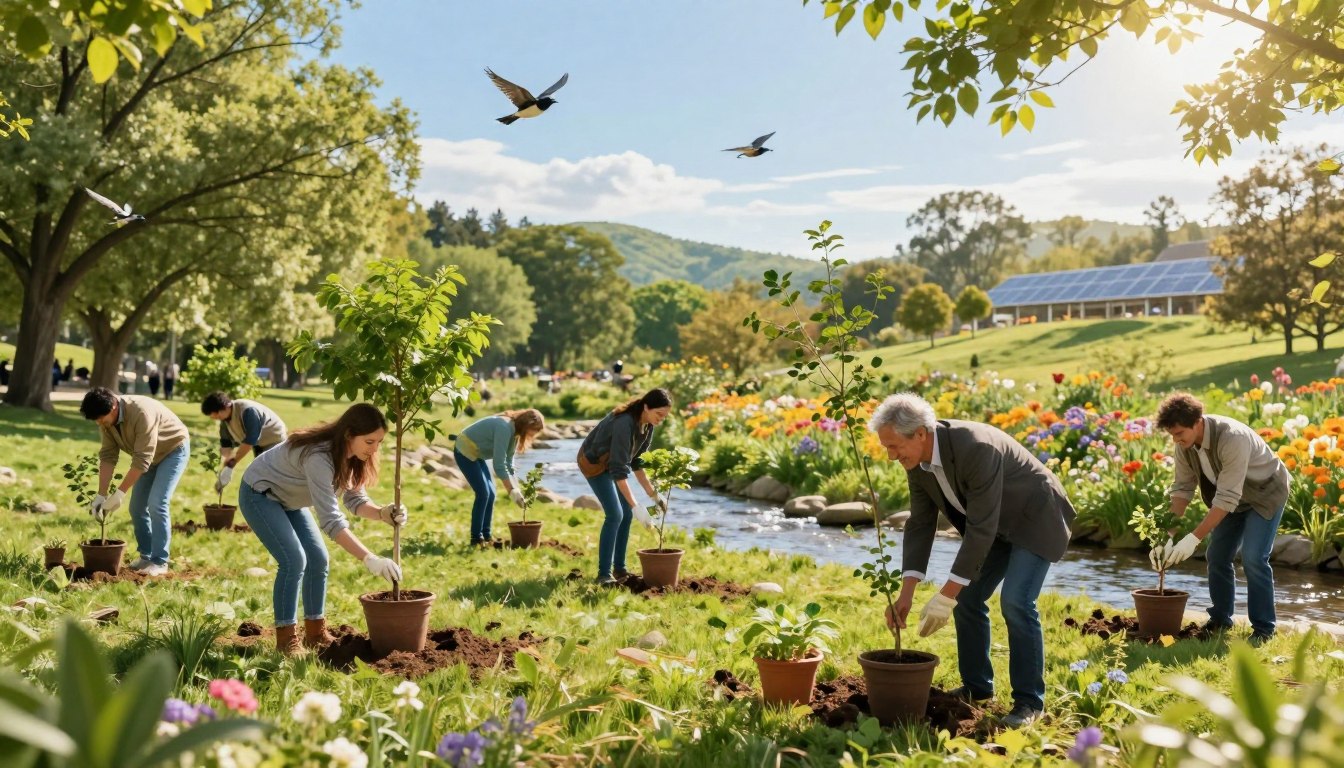
We often look out our windows and wonder how we can make a real difference for our planet. It is easy to feel overwhelmed by global challenges, but every small action we take creates a ripple effect of positive change. By focusing on environmental conservation, we can protect the natural beauty that surrounds us for generations to come.

Key Takeaways
- Small daily habits lead to significant long-term environmental benefits.
- Individual actions are essential for effective global conservation efforts.
- Adopting mindful consumption helps lower our collective carbon footprint.
- Sustainable choices empower us to protect local ecosystems and wildlife.
- Building a cleaner future starts with the decisions we make today.
Understanding Our Impact on the Environment
The state of our planet is a reflection of our collective actions, and understanding this impact is the first step towards creating a cleaner future. As we move forward, it’s crucial to grasp the extent of our influence on the environment.
The Current State of Global Pollution
The world is grappling with severe pollution issues, affecting air, water, and land. Air pollution is one of the most pressing concerns, with millions of people worldwide exposed to harmful levels of pollutants.
The air quality improvement is a critical aspect of environmental health. According to recent data, air pollution is responsible for a significant number of premature deaths globally each year.

| Pollutant | Source | Impact |
|---|---|---|
| Particulate Matter (PM) | Vehicles, Industrial Activities | Respiratory Diseases |
| Nitrogen Dioxide (NO2) | Vehicles, Power Plants | Respiratory Issues, Cardiovascular Diseases |
| Carbon Monoxide (CO) | Vehicles, Industrial Processes | Cardiovascular Diseases, Neurological Effects |
Why Individual Actions Matter for Our Planet
While the scale of pollution can be daunting, individual actions collectively make a significant difference. Eco-friendly initiatives at the personal level can lead to substantial positive changes.
By adopting simple habits such as reducing energy consumption, using public transport, or recycling, individuals can contribute to a cleaner environment. These actions not only improve air quality but also inspire others to follow suit, creating a ripple effect.
Reducing Pollution Through Sustainable Transportation
As we strive for a cleaner future, sustainable transportation emerges as a crucial factor in reducing pollution. Our daily transportation choices have a significant impact on the environment, contributing to air pollution, greenhouse gas emissions, and other negative effects.
By adopting sustainable living practices in our transportation habits, we can significantly reduce our carbon footprint. This not only benefits the environment but also improves our quality of life by reducing traffic congestion and promoting healthier lifestyles.
Benefits of Public Transit and Carpooling
Using public transit and carpooling are effective ways to decrease the number of vehicles on the road, thereby reducing emissions. Public transportation can lower emissions by up to 95% per commuter compared to private vehicles, according to some studies.
Carpooling, on the other hand, not only reduces the number of cars on the road but also fosters a sense of community among commuters. By sharing rides, individuals can save on fuel costs and reduce their carbon footprint.
| Mode of Transport | Emissions per Commuter | Relative Efficiency |
|---|---|---|
| Private Vehicle | High | Low |
| Public Transit | Low | High |
| Carpooling | Moderate | Moderate |
Transitioning to Electric Vehicles and Bicycles
Transitioning to electric vehicles (EVs) is another significant step towards carbon footprint reduction. EVs produce zero tailpipe emissions, reducing air pollution in urban areas.
Cycling is another sustainable option that not only reduces emissions but also promotes physical health. By investing in bike-friendly infrastructure, cities can encourage more people to cycle, further reducing reliance on fossil fuels.

By embracing these sustainable transportation methods, we can make a substantial impact on reducing pollution. It’s about making conscious choices in our daily lives to adopt practices that support a cleaner, healthier environment for future generations.
Energy Efficiency in Our Homes
Energy efficiency in our homes is not just a cost-effective measure; it’s a vital strategy for reducing our carbon footprint. As we continue to explore ways to live more sustainably, making our homes more energy-efficient stands out as a crucial step. By implementing smart upgrades and leveraging renewable energy sources, we can significantly lower our energy consumption and contribute to a cleaner environment.
Smart Upgrades for Lower Carbon Footprints
One of the most effective ways to enhance energy efficiency is through smart upgrades. This includes replacing traditional incandescent bulbs with LED lighting, which can reduce energy consumption significantly. Additionally, upgrading to energy-efficient appliances and installing smart thermostats can help in optimizing energy use.
Smart home devices play a crucial role in managing energy consumption. They allow us to monitor and control the energy usage of various appliances remotely, ensuring that we’re not wasting energy when it’s not needed.

The Role of Renewable Energy Sources
Renewable energy sources are pivotal in our transition to a more sustainable future. By harnessing energy from solar, wind, and other renewable sources, we can reduce our reliance on fossil fuels and lower our carbon emissions. Solar panel installations on homes are becoming increasingly popular as a means to generate clean energy.
| Renewable Energy Source | Benefits | Implementation Cost |
|---|---|---|
| Solar Energy | Reduces electricity bills, generates clean energy | $15,000 – $30,000 |
| Wind Energy | Provides power for homes and businesses, reduces carbon footprint | $30,000 – $100,000+ |
| Geothermal Energy | Efficient heating and cooling, sustainable | $10,000 – $30,000 |
By embracing these green technology solutions, we not only contribute to a cleaner environment but also enjoy the benefits of reduced energy costs over time. As we move forward, it’s essential to continue exploring and adopting innovative energy-efficient solutions.
Waste Reduction Strategies for Daily Life
As we strive for a cleaner future, adopting waste reduction strategies in our daily lives becomes increasingly important. By making conscious choices, we can significantly minimize our waste output and contribute to a more sustainable environment.
One of the most effective ways to reduce waste is by managing organic waste through composting. Composting not only reduces the amount of waste sent to landfills but also creates a nutrient-rich soil amendment for gardening.
Mastering the Art of Composting
Composting is a straightforward process that involves breaking down organic materials like food scraps, leaves, and grass clippings. To start composting, you’ll need a compost bin or pile where you can collect these materials.
- Choose a location for your compost bin that is well-ventilated and accessible.
- Add a mix of “green” materials (like food scraps and grass clippings) and “brown” materials (like dried leaves and straw).
- Maintain the right moisture level by ensuring the pile is damp, like a damp sponge.
- Regularly turn the compost pile to speed up the decomposition process.
Benefits of Composting: Composting reduces landfill waste, decreases greenhouse gas emissions, and creates a natural fertilizer for plants.
Reducing Single-Use Plastics at Home
Single-use plastics are a significant contributor to household waste. Reducing their use is a critical step towards a more sustainable lifestyle.
Here are some simple steps to reduce single-use plastics:
- Switch to reusable bags for grocery shopping.
- Use a refillable water bottle instead of buying bottled water.
- Choose products with minimal or biodegradable packaging.
- Avoid using plastic straws and cutlery; opt for metal or bamboo alternatives instead.
| Single-Use Plastic | Eco-Friendly Alternative | Benefits |
|---|---|---|
| Plastic Bags | Reusable Cloth Bags | Reduces plastic waste, durable |
| Plastic Water Bottles | Refillable Stainless Steel Bottles | Reduces plastic waste, keeps drinks hot/cold |
| Plastic Straws | Metal or Bamboo Straws | Reduces marine pollution, reusable |
By implementing these waste reduction strategies, we can make a significant impact on reducing pollution and creating a cleaner, healthier environment for future generations.
Conscious Consumption and Sustainable Shopping
Our purchasing power can be a powerful tool in promoting eco-friendly initiatives and sustainable living practices. By making informed choices, we can significantly reduce our environmental footprint.
As we navigate the market, it’s essential to understand the impact of our shopping habits. The production, packaging, and distribution of products all have environmental implications. Therefore, adopting conscious consumption habits is crucial.
Eco-Friendly Brands
Supporting eco-friendly brands is a significant step towards sustainable shopping. These brands prioritize environmentally responsible practices, from sourcing materials to manufacturing processes. By choosing products from companies that adhere to sustainable living practices, we encourage more businesses to follow suit.
Some notable eco-friendly brands have made significant commitments to reducing their environmental impact. For instance, companies like Patagonia and REI have implemented robust sustainability measures, including using recycled materials and minimizing waste.
| Eco-Friendly Brand | Sustainability Initiatives |
|---|---|
| Patagonia | Uses recycled materials in products, environmental grants |
| REI | Opting for renewable energy, reducing waste in operations |
| Seventh Generation | Plant-based products, sustainable packaging |
The Benefits of Secondhand Shopping
Buying secondhand is another effective way to embrace sustainable shopping. It reduces the demand for new, resource-intensive products and decreases waste. Secondhand shopping can be done through thrift stores, online marketplaces, or local community sales.
Secondhand shopping not only benefits the environment but also offers unique and affordable shopping options. By choosing secondhand, we extend the life of existing products and reduce the environmental costs associated with producing new items.
As we continue to adopt conscious consumption and sustainable shopping practices, we contribute to a larger movement towards environmental sustainability. Every purchase is an opportunity to support eco-friendly initiatives and promote a healthier planet.
Improving Air Quality in Our Communities
As we strive for a cleaner future, enhancing air quality stands out as a critical step towards environmental conservation. Cleaner air directly impacts our health, reducing the risk of respiratory diseases and other health issues. By focusing on strategies that improve air quality, we not only enhance our immediate environment but also contribute to a global effort against pollution.
One effective way to improve air quality is through the greening of our urban spaces. This involves not just beautifying our surroundings but also leveraging the natural ability of plants to purify the air.
Planting Trees and Urban Gardening
Trees and plants are natural air purifiers. They absorb carbon dioxide and release oxygen, improving the air quality around them. Urban gardening and tree planting initiatives can transform barren spaces into green lungs for our cities.
Here are some benefits of urban gardening and tree planting:
- Reduced air pollution through the absorption of pollutants and particulate matter.
- Enhanced biodiversity in urban areas.
- Mitigation of the urban heat island effect.
A comparison of different types of plants and their air-purifying capabilities can help in selecting the most effective species for urban gardening.
| Plant Type | Air Purification Capability | Maintenance Level |
|---|---|---|
| Snake Plant | High | Low |
| Peace Lily | High | Medium |
| Spider Plant | Medium | Low |
Reducing Indoor Air Pollutants
Indoor air quality is just as important as outdoor air quality. Simple actions can significantly reduce indoor air pollutants.
Some effective strategies include:
- Using air purifiers to remove particulate matter and other pollutants.
- Ensuring good ventilation by opening windows and using exhaust fans.
- Reducing the use of products that emit volatile organic compounds (VOCs).
By implementing these strategies, we can significantly improve the air quality in our homes and workplaces, contributing to a healthier living environment.
Water Conservation and Protection
As we strive for a cleaner future, water conservation plays a vital role. Water is a precious resource, essential for life, and conserving it is crucial for maintaining a healthy planet. By adopting effective pollution control measures, we can protect our water resources and ensure a more sustainable future.
One of the significant threats to our waterways is chemical runoff. Chemicals from fertilizers, pesticides, and industrial waste can contaminate our rivers, lakes, and oceans, harming aquatic life and affecting human health.
Preventing Chemical Runoff in Local Waterways
To prevent chemical runoff, we can take several steps:
- Use eco-friendly household cleaners and gardening products.
- Properly dispose of hazardous waste.
- Create a buffer zone around water bodies by planting native vegetation.
By taking these measures, we can significantly reduce the amount of chemicals that enter our waterways.
Simple Habits to Save Water Daily
In addition to preventing chemical runoff, adopting simple habits can help save water daily. Here are some effective water conservation tips:
| Action | Water Saved |
|---|---|
| Fixing leaks | Up to 20 gallons per day |
| Using low-flow showerheads | Up to 2.5 gallons per minute |
| Turning off tap while brushing teeth | Up to 4 gallons per day |
By implementing these simple habits, we can make a significant impact on water conservation. Every small action counts, and collectively, we can ensure a more sustainable future for our planet.
Green Technology Solutions for Modern Living
As we continue to navigate the complexities of modern living, it’s becoming increasingly clear that green technology solutions are pivotal in our quest for a more sustainable future. The role of technology in reducing our environmental footprint cannot be overstated, and recent advancements have made it more feasible than ever to integrate sustainable practices into our daily lives.
One of the key areas where green technology is making a significant impact is in our homes and workplaces. By adopting innovative solutions, we can not only reduce our energy consumption but also contribute to a more sustainable environment.
Energy Management through Smart Home Devices
Smart home devices are revolutionizing the way we manage energy in our homes. These devices can help us monitor and control our energy usage more effectively, leading to significant reductions in our carbon footprint. Some of the benefits of smart home devices include:
- Energy Efficiency: Smart thermostats and lighting systems can optimize energy usage based on our daily routines and preferences.
- Real-Time Monitoring: Advanced sensors and monitoring systems provide real-time data on energy consumption, helping us identify areas for improvement.
- Automated Controls: Smart home devices can be programmed to automatically turn off lights and appliances when not in use, reducing standby power consumption.
Innovations in Waste Management Technology
Waste management is another critical area where green technology is driving innovation. New technologies are being developed to reduce waste, increase recycling rates, and minimize the environmental impacts of waste disposal. Some notable innovations include:
- Advanced Recycling Technologies: New recycling technologies can process a wider range of materials, increasing the overall recycling rate and reducing landfill waste.
- Waste-to-Energy Systems: These systems convert non-recyclable waste into energy, providing a cleaner alternative to traditional fossil fuels.
- Smart Waste Management Systems: IoT-enabled waste management systems optimize waste collection routes and schedules, reducing operational costs and environmental impacts.
By embracing these green technology solutions, we can significantly reduce our environmental impact and promote sustainable living practices. As technology continues to evolve, it’s likely that we’ll see even more innovative solutions emerge, further supporting our transition to a more sustainable future.
Advocating for Environmental Policy Changes
As we continue our journey towards a more sustainable future, advocating for environmental policy changes becomes increasingly important. Our individual actions, although crucial, can be amplified when combined with collective efforts to influence policy decisions that impact our environment.
Engaging with local government initiatives is a powerful way to advocate for environmental conservation. By attending community meetings, participating in public hearings, and communicating with local representatives, we can ensure that our voices are heard on issues related to environmental protection.
Local Government Initiatives
Local governments play a significant role in implementing policies that affect our daily lives and the environment. By engaging with these initiatives, we can promote eco-friendly policies and practices in our communities.
- Participate in local town hall meetings to stay informed about environmental policies.
- Join community groups focused on environmental conservation to amplify your impact.
- Contact local representatives to express your support for eco-friendly initiatives.
Supporting environmental conservation organizations is another effective way to advocate for policy changes. These organizations often work at local, national, and international levels to promote conservation and sustainability.
Environmental Conservation Organizations
By supporting organizations dedicated to environmental conservation, we can contribute to a broader movement towards sustainability. These organizations often engage in advocacy, research, and community education, which are critical for driving policy changes.
| Organization | Focus Area | Ways to Support |
|---|---|---|
| The Nature Conservancy | Conservation of ecosystems and biodiversity | Donate, volunteer, spread awareness |
| Environmental Defense Fund | Protecting the natural world through advocacy and science | Donate, become a member, participate in campaigns |
| The Sierra Club | Promoting clean energy, reducing pollution, and protecting wildlife habitats | Join local chapters, participate in campaigns, donate |
By engaging with local government initiatives and supporting environmental conservation organizations, we can collectively drive policy changes that promote a more sustainable future.
The Importance of Community-Led Eco-Friendly Initiatives
The power of community-led eco-friendly initiatives cannot be overstated in our quest for a cleaner, greener world. By working together at the community level, we can create a significant impact and promote sustainable living practices.
Organizing Neighborhood Cleanup Events
One effective way to make a difference is by organizing neighborhood cleanup events. These events not only help to beautify our surroundings but also raise awareness about the importance of keeping our environment clean. By involving local residents, businesses, and community groups, we can foster a sense of ownership and responsibility for our environment.
Benefits of Neighborhood Cleanup Events:
- Improved community engagement and social cohesion
- Enhanced local environment and public spaces
- Raised awareness about environmental issues
Building Local Sustainability Networks
Building local sustainability networks is another crucial aspect of community-led eco-friendly initiatives. By connecting with local organizations, businesses, and individuals, we can share resources, expertise, and knowledge to drive sustainable development.
| Key Strategies | Benefits |
|---|---|
| Collaborate with local businesses | Access to resources and expertise |
| Engage with community groups | Increased community participation |
| Share knowledge and best practices | Improved sustainability outcomes |
By working together and supporting community-led eco-friendly initiatives, we can create a more sustainable future for our communities and the environment.
Overcoming Challenges in Our Sustainability Journey
The journey to sustainability is filled with obstacles, but understanding these challenges is the first step to overcoming them. As we strive to adopt sustainable living practices, we often encounter barriers that can hinder our progress. However, by acknowledging and addressing these challenges, we can continue to move forward in our mission to reduce our carbon footprint.
One of the significant challenges we face is maintaining motivation when the results of our efforts are not immediately visible. It’s easy to feel discouraged when progress feels slow. To combat this, we can focus on the small victories along the way, like reducing our energy consumption or minimizing waste.
Staying Motivated When Progress Feels Slow
Staying motivated is crucial to continuing our sustainability efforts. We can achieve this by setting achievable goals and celebrating our successes, no matter how small. For instance, using public transit or carpooling not only reduces our carbon footprint but also contributes to a sense of community.
- Celebrate small victories, like reducing energy consumption.
- Set achievable goals for further reduction in waste.
- Engage with our community through local sustainability initiatives.
By sharing our experiences and tips with others, we can inspire more people to adopt sustainable practices, thereby amplifying our impact.
Addressing Common Misconceptions About Green Living
Another challenge is overcoming misconceptions about green living. Some believe that sustainable living is too expensive or that it requires significant lifestyle changes. However, many eco-friendly practices are cost-effective and simple to implement.
For example, reducing single-use plastics is a straightforward step towards sustainability that can be achieved by making a few simple changes in our daily habits.
By educating ourselves and others about the realities of green living, we can dispel these misconceptions and make sustainability more accessible to everyone.
Conclusion
As we conclude our journey through the simple yet impactful steps towards reducing pollution, it’s clear that every action counts in our quest for a cleaner, more sustainable future. By understanding our impact on the environment and making conscious choices in our daily lives, we can significantly contribute to environmental conservation.
We’ve explored various strategies, from adopting sustainable transportation methods and enhancing energy efficiency in our homes to practicing waste reduction and supporting eco-friendly brands. Each of these efforts plays a vital role in minimizing our ecological footprint and promoting a healthier planet.
As we move forward, let’s continue to advocate for environmental policy changes, engage with our communities through local initiatives, and stay motivated on our sustainability journey. By working together and staying committed to our goals, we can overcome the challenges we face and create a lasting positive impact on our environment.
Let’s remain dedicated to the cause of reducing pollution and environmental conservation, inspiring others to join us in this crucial endeavor. Together, we can build a brighter, more sustainable future for generations to come.
FAQ
Why should we prioritize environmental conservation in our daily routines?
We believe that every small choice we make has a ripple effect on the planet. By focusing on environmental conservation, we protect the natural resources and ecosystems that sustain us. Adopting sustainable living practices—like reducing our energy consumption or supporting local parks—ensures that we leave a healthier, more vibrant world for the generations that follow us.
What are the most effective ways for us to achieve carbon footprint reduction through transportation?
We can make a significant impact by rethinking how we move. Transitioning to electric vehicles from innovative brands like Tesla or Rivian is a fantastic step toward reducing pollution. For those of us in urban areas, utilizing public transit systems or hopping on a Specialized bicycle for short commutes offers a double benefit: it aids in air quality improvement and keeps us active!
How can we implement green technology solutions in our own homes?
We have more tools at our fingertips than ever before. We can start by installing smart thermostats like the Google Nest to optimize our heating and cooling, which is a major win for carbon footprint reduction. Additionally, upgrading to energy-efficient appliances from Samsung or LG helps us embrace green technology solutions that save money while protecting the environment.
What are some simple waste reduction strategies we can adopt today?
We suggest starting with the “big three”: composting, recycling, and eliminating single-use items. By using a Lomi kitchen composter, we can turn food scraps into nutrient-rich soil rather than sending them to a landfill. We can also swap out plastic baggies for reusable Stasher bags, which serve as excellent pollution control measures in our daily lives.
How do we identify brands that truly support eco-friendly initiatives?
We look for transparency and certifications. Supporting companies like Patagonia or Seventh Generation—which are known for their commitment to eco-friendly initiatives—ensures our money supports sustainable living practices. We also love shopping on platforms like ThredUp or Poshmark to give high-quality items a second life, further reducing the demand for new manufacturing.
What can we do to support air quality improvement in our local neighborhoods?
We can take a hands-on approach by participating in tree-planting events or starting urban gardens. Projects supported by organizations like the Arbor Day Foundation help filter pollutants from the air. Within our homes, using Dyson air purifiers and choosing low-VOC paints from Sherwin-Williams are effective ways we can manage pollution control measures for better indoor health.
Why is it important for us to engage with local government regarding pollution?
We realize that while individual actions are vital, systemic change requires advocacy. By engaging with our local city councils and supporting eco-friendly initiatives, we can push for better public transit, more green spaces, and stricter pollution control measures. Working with groups like the Sierra Club allows us to amplify our voices for the sake of long-term environmental conservation.
How can we stay motivated when our sustainability journey feels challenging?
We find strength in community! Building local sustainability networks or joining neighborhood cleanup groups through Keep America Beautiful reminds us that we aren’t alone. When progress feels slow, we focus on the collective impact of our sustainable living practices, knowing that every bit of waste reduction and every green technology solution we adopt brings us closer to a cleaner future.