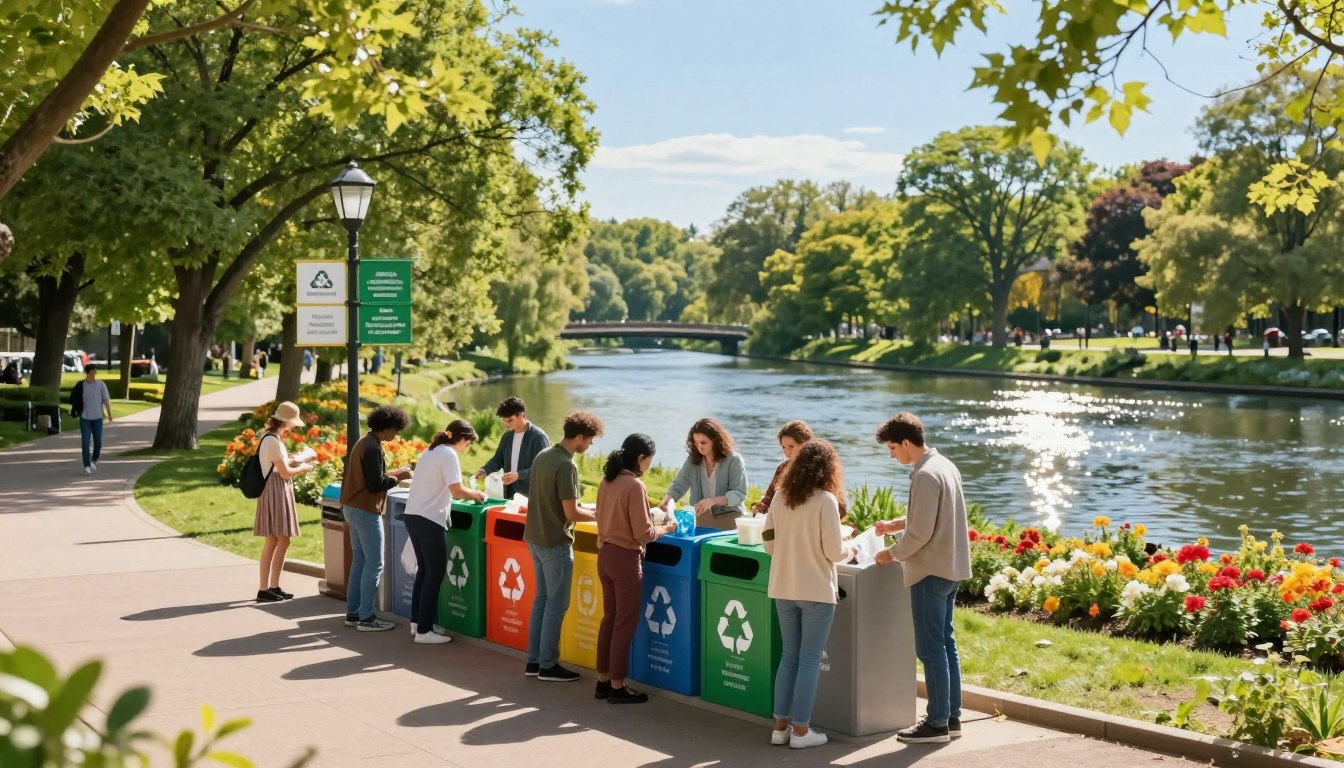
Have you ever looked at a beautiful forest or a clear stream and felt a deep desire to protect it? Many people share this quiet longing to preserve the natural world for future generations. Embracing sustainable living is not just a trend; it is a heartfelt commitment to the earth we call home.

Key Takeaways
- Small daily actions lead to significant environmental improvements.
- Mindful consumption helps preserve precious natural resources.
- Eco-friendly habits foster a deeper connection with the planet.
- Consistent efforts make a lasting impact on local ecosystems.
- Choosing reusable items simplifies your life while helping nature.
Understanding the Impact of Waste Management
Understanding the impact of waste management is essential for developing strategies to reduce environmental harm. Effective waste management is critical for maintaining a healthy environment and conserving natural resources. The consequences of poor waste management are far-reaching, affecting not only the environment but also human health and the economy.
The United States generates a significant amount of waste, with a substantial portion ending up in landfills. The Current State of Landfills in the United States is a pressing concern due to the environmental and health implications associated with landfill waste.
The Current State of Landfills in the United States
Landfills in the U.S. are facing numerous challenges, including capacity issues and environmental hazards. Many landfills are nearing their maximum capacity, and the environmental impacts of landfill waste, such as groundwater contamination and methane emissions, are significant concerns. Methane, a potent greenhouse gas, is produced as waste decomposes in landfills, contributing to climate change.

The environmental impacts of landfills can be mitigated through improved waste management practices, including recycling and composting. By reducing the amount of waste sent to landfills, we can decrease the production of methane and minimize the risk of environmental pollution.
How Personal Consumption Affects Environmental Conservation
Personal consumption patterns play a significant role in environmental conservation. The choices individuals make about the products they buy, the packaging they accept, and the waste they generate all contribute to the overall environmental impact. By making informed choices and adopting sustainable consumption habits, individuals can significantly reduce their environmental footprint.
For instance, choosing products with minimal or biodegradable packaging can reduce waste. Additionally, buying in bulk and avoiding single-use plastics are effective strategies for minimizing waste generation. These actions not only contribute to environmental conservation but also promote sustainable living practices.
Mastering the Basics of Recycling and Reducing Waste
Effective recycling and waste reduction strategies start with simple, everyday practices. By understanding and implementing the basics, individuals can significantly contribute to a more sustainable environment.
One of the fundamental steps in recycling is knowing what can and cannot be recycled. This knowledge helps in making informed decisions about waste disposal.
Differentiating Between Recyclable and Non-Recyclable Materials
Not all materials are created equal when it comes to recycling. Plastics, for instance, are labeled with resin identification codes (RICs) that indicate their recyclability. For example:
- #1 and #2 plastics (PET and HDPE) are commonly recyclable.
- #3 to #7 plastics have varying recyclability depending on local facilities.
Additionally, materials like glass, paper, and certain metals are generally recyclable, but it’s crucial to check local recycling guidelines as they can vary.

The Importance of Cleaning Containers Before Disposal
Cleaning containers before recycling them is vital. Residue in containers can contaminate other recyclables, making them unusable. Here are some tips:
- Rinse food and liquid containers thoroughly.
- Remove lids, labels, and caps when required by local recycling programs.
- Ensure containers are dry before placing them in the recycling bin.
As
“Reducing waste and recycling correctly are not just about saving resources; they’re about preserving the planet for future generations.”
By mastering these basics, individuals can make a significant positive impact on the environment. Proper recycling practices not only conserve natural resources but also reduce landfill waste and help mitigate climate change.
Strategies for Reducing Single-Use Plastics
One of the most effective ways to reduce waste is by minimizing the use of single-use plastics in daily life. This approach not only helps in decreasing the amount of plastic waste but also promotes eco-friendly practices that are beneficial for the environment.
Implementing waste reduction strategies starts with identifying areas where single-use plastics are most prevalent. Common culprits include plastic bags, straws, water bottles, and cutlery. By becoming more mindful of these items, individuals can begin to make changes.
Swapping Disposable Items for Reusable Alternatives
A straightforward way to reduce single-use plastics is by swapping disposable items for reusable alternatives. For instance, switching from plastic bags to cloth bags, from plastic straws to metal or paper straws, and from disposable water bottles to refillable ones can make a significant difference.
Here are some simple swaps that can be made:
- Cloth bags instead of plastic bags
- Metal or bamboo straws instead of plastic straws
- Refillable water bottles instead of disposable plastic bottles
- Beeswax wraps or reusable containers instead of plastic wrap

Choosing Products with Minimal or Compostable Packaging
Another effective strategy is to choose products with minimal or compostable packaging. This involves being more mindful of the products we buy and opting for those that use less plastic or biodegradable materials.
| Product Category | Single-Use Plastic | Eco-Friendly Alternative |
|---|---|---|
| Drinking Water | Disposable plastic bottles | Refillable stainless steel bottles |
| Grocery Shopping | Plastic bags | Reusable cloth bags |
| Food Storage | Plastic wrap | Beeswax wraps or reusable containers |
By adopting these strategies, individuals can significantly reduce their plastic footprint and contribute to a more sustainable environment. It’s about making conscious choices in daily life that promote eco-friendly practices and support waste reduction strategies.
Effective Composting Practices for Homeowners
Effective composting is key to a sustainable lifestyle, turning waste into a valuable resource. By composting, homeowners and apartment dwellers can significantly reduce their waste output while creating nutrient-rich soil for their gardens.
Setting Up a Backyard Compost Bin
For those with outdoor space, setting up a backyard compost bin is a straightforward process. First, choose a location for your compost bin that is well-ventilated and accessible. It’s essential to balance “green” materials (like food scraps and grass clippings) with “brown” materials (such as dried leaves and straw).
Key Components for a Backyard Compost Bin:
- Green materials (food scraps, grass clippings)
- Brown materials (dried leaves, straw)
- A mix of microorganisms (naturally occurring or added)
- Adequate moisture
Managing Indoor Vermicomposting for Apartments
Indoor vermicomposting, or worm composting, is an excellent alternative for apartment dwellers. This method involves using red wiggler worms to break down food waste in a controlled environment.
Benefits of Vermicomposting:
- Reduces waste sent to landfills
- Produces a nutrient-rich compost
- Can be done indoors with minimal space
Essential Items to Include in Your Compost Pile
A successful compost pile requires a mix of essential items. These include:
| Green Materials | Brown Materials |
|---|---|
| Food scraps | Dried leaves |
| Grass clippings | Straw |
| Coffee grounds | Shredded newspaper |
Common Mistakes to Avoid During the Composting Process
To ensure effective composting, it’s crucial to avoid common mistakes such as adding too much of one type of material, not maintaining adequate moisture, and not turning the compost pile regularly.

Sustainable Shopping Habits for Eco-Friendly Living
The way we shop has a profound impact on the planet, and adopting sustainable shopping habits can significantly reduce waste. By being more mindful of our purchasing decisions, individuals can contribute to a more eco-friendly lifestyle.
One of the core principles of sustainable shopping is making conscious choices that benefit both the consumer and the environment. This involves a shift in mindset towards valuing durability and sustainability over convenience and low costs.
Prioritizing Quality Over Quantity in Purchases
Prioritizing quality over quantity is a key aspect of sustainable shopping. This involves choosing products that are durable and long-lasting, rather than opting for cheaper, disposable alternatives. For instance, investing in high-quality, timeless clothing reduces the need for frequent purchases and subsequently decreases textile waste.
Benefits of prioritizing quality include:
- Reduced waste from less frequent replacements
- Lower long-term costs despite higher initial expenses
- Support for manufacturers that prioritize durability and sustainability
Supporting Local Farmers Markets and Bulk Stores
Supporting local farmers markets and bulk stores is another effective way to reduce waste. These outlets often have less packaging, and buying in bulk can significantly cut down on single-use plastics. Additionally, purchasing from local farmers supports the local economy and promotes fresher, seasonal produce.
Some advantages of shopping at local farmers markets and bulk stores include:
- Reduced packaging waste
- Fresher and more seasonal produce
- Supporting local economies and farmers
By incorporating these sustainable shopping habits into daily life, individuals can make a significant positive impact on the environment. It’s about making informed choices that not only benefit personal health and wellbeing but also contribute to a more sustainable future.
Reducing Food Waste in the Kitchen
Food waste is a significant environmental issue, and changing habits in the kitchen can make a big difference. By adopting a few simple strategies, households can significantly reduce the amount of waste they generate.
Meal Planning to Prevent Over-Purchasing
One of the most effective ways to reduce food waste is through meal planning. By planning meals in advance, individuals can make a more accurate grocery list, reducing the likelihood of buying too much food that may go to waste.
Benefits of Meal Planning:
- Reduces food waste by ensuring that all purchased food is consumed.
- Saves money by avoiding unnecessary purchases.
- Decreases the time spent on deciding what to cook, as meals are planned out.
Creative Ways to Use Vegetable Scraps and Leftovers
Another key strategy is finding creative ways to use vegetable scraps and leftovers. This not only reduces waste but can also lead to the discovery of new favorite dishes.
Ideas for Using Scraps and Leftovers:
- Use vegetable scraps to make a nutritious broth or stock.
- Transform leftovers into new meals, such as turning last night’s dinner into tomorrow’s lunch.
- Create a vegetable scrap stir-fry by sautéing various scraps with some oil and seasoning.
Here’s a simple table to illustrate how meal planning and using leftovers can reduce waste:
| Action | Impact on Waste Reduction |
|---|---|
| Meal Planning | Reduces over-purchasing of food |
| Using Leftovers | Ensures that cooked food is consumed |
| Utilizing Vegetable Scraps | Reduces the amount of organic waste |
By implementing these strategies, households can make a significant impact on reducing food waste. It’s about making conscious choices in the kitchen and being creative with the food you have.
Upcycling and Repurposing Household Items
Embracing upcycling and repurposing can significantly reduce the amount of waste sent to landfills and promote a greener lifestyle. By creatively reusing household items, individuals can contribute to environmental conservation while also exploring their creativity.
One of the simplest ways to start upcycling is by transforming old textiles into useful items. This not only reduces waste but also provides an opportunity to create something unique and personalized.
Transforming Old Textiles into Cleaning Rags
Old clothes, especially those made from cotton or other durable materials, can be repurposed into effective cleaning rags. This practice reduces the need for paper towels and other disposable cleaning products.
- Collect old clothes and linens that are no longer wearable or usable.
- Cut them into appropriate sizes for cleaning rags.
- Use these rags for dusting, wiping down surfaces, and other cleaning tasks.
Benefits of Using Old Textiles as Cleaning Rags:
| Benefits | Description |
|---|---|
| Reduces Waste | Extends the life of old textiles, keeping them out of landfills. |
| Eco-Friendly | Decreases the demand for paper towels and other disposable products. |
| Cost-Effective | Utilizes items that would otherwise be discarded, saving money on cleaning supplies. |
Giving New Life to Glass Jars and Containers
Glass jars and containers are versatile items that can be repurposed in numerous ways, from storage solutions to decorative pieces.
Creative Ways to Repurpose Glass Jars:
- Use them as vases for flowers or greens.
- Store food items like grains, nuts, or spices.
- Create a DIY candle or lantern by placing a candle or LED light inside.
By adopting these practices, individuals can significantly reduce their waste output and contribute to a more sustainable future. Upcycling and repurposing are not only beneficial for the environment, but they also offer a creative outlet and a chance to live more mindfully.
Navigating Local Waste Reduction Initiatives
Local waste reduction initiatives offer a powerful platform for individuals to make a significant environmental impact. By engaging with their communities, people can contribute to cleaner, healthier environments. This involvement not only supports environmental conservation but also fosters a sense of community.
Participating in Community Cleanup Events
Community cleanup events are a great way to get involved in local waste reduction initiatives. These events bring people together to clean up public spaces, such as parks and streets, and provide an opportunity to raise awareness about the importance of waste management.
To participate, individuals can search for local events through community boards, social media, or local government websites. Many organizations also host their own cleanup events, offering a chance to get involved with like-minded individuals.
Advocating for Better Recycling Infrastructure in Your City
Advocating for improved recycling infrastructure is crucial for effective waste management. This can involve attending city council meetings, signing petitions, or supporting local businesses that prioritize sustainability.
One effective way to advocate is by providing feedback to local waste management services. Residents can suggest improvements, such as more recycling bins or clearer guidelines on what can be recycled.
| Activity | Immediate Impact | Long-term Benefits |
|---|---|---|
| Community Cleanup Events | Immediate cleaning of public spaces | Raises community awareness and fosters a sense of responsibility |
| Advocating for Better Recycling Infrastructure | Potential for policy changes | Improves waste management systems, reducing landfill waste |
Overcoming Common Challenges in Sustainable Living
The journey to a more sustainable future is not without its difficulties, but there are ways to navigate these challenges. As more individuals commit to reducing their environmental footprint, they may encounter obstacles that can slow their progress. Understanding these challenges and finding effective solutions is crucial for maintaining momentum.
Limited Recycling Options in Rural Areas
For those living in rural areas, accessing recycling facilities can be a significant challenge. Unlike urban areas where recycling programs are more prevalent, rural communities often have limited or no access to such services. However, there are still steps that can be taken to manage waste effectively.
One approach is to adopt a zero-waste policy at home by reducing the use of non-essential items, reusing materials whenever possible, and composting organic waste. Additionally, individuals can explore alternative recycling methods such as participating in community collection events or partnering with local organizations to create makeshift recycling programs.
Staying Motivated When Progress Feels Slow
Maintaining motivation on the path to sustainable living can be tough, especially when results are not immediately visible. It’s essential to recognize that every small action counts and contributes to a larger positive impact over time.
Setting realistic goals and celebrating small achievements can help keep individuals motivated. Moreover, connecting with like-minded communities or joining local environmental groups can provide support and encouragement, making the journey feel less isolating.
Strategies for Staying Motivated:
- Set achievable milestones
- Celebrate small victories
- Engage with sustainable living communities
- Continuously educate yourself on sustainable practices
| Challenge | Strategy | Benefit |
|---|---|---|
| Limited recycling options | Adopt zero-waste policy | Reduces landfill waste |
| Slow progress | Set realistic goals | Maintains motivation |
| Lack of community support | Join local environmental groups | Provides encouragement and resources |
Conclusion
As we have explored, adopting sustainable living practices is crucial for minimizing our environmental footprint. By understanding the impact of waste management and implementing simple yet effective strategies, individuals can significantly contribute to a healthier planet.
Recycling and reducing waste are fundamental aspects of sustainable living. By differentiating between recyclable and non-recyclable materials, reducing single-use plastics, and composting, we can decrease the amount of waste sent to landfills. Supporting local initiatives and making conscious purchasing decisions further enhance our efforts.
Every small action counts, and collective efforts can lead to substantial positive change. By incorporating the practices outlined in this article into daily life, individuals can play a vital role in promoting sustainable living and reducing waste. Together, we can create a greener future for generations to come.
FAQ
Why is recycling and reducing waste so critical for the planet right now?
It is vital because it conserves natural resources and significantly reduces the energy required for manufacturing new products. By adopting sustainable living habits, individuals help slow down the depletion of raw materials and decrease the volume of trash sent to overflowing landfills, which protects our diverse ecosystems.
What is the current state of waste management and landfills in the United States?
According to reports from the Environmental Protection Agency (EPA), landfills are reaching capacity at an alarming rate, with food scraps and plastics making up the largest portion of municipal solid waste. Effective waste management is essential to prevent the release of harmful methane gases and to protect local groundwater from contamination.
Do containers really need to be cleaned before they are placed in the bin?
Yes, absolutely. One of the most important recycling tips is to ensure that jars and bottles are free of food residue. Contamination is a major issue; a single half-full soda bottle can ruin an entire batch of paper or cardboard recyclables, often resulting in the whole load being diverted to a landfill despite the best intentions.
What are some effective eco-friendly practices for reducing single-use plastics?
Swapping out disposable items for durable, reusable alternatives is a great starting point. Instead of plastic bags, many people use Stasher silicone bags or Baggu reusable totes. Replacing plastic wrap with Bee’s Wrap or high-quality glass containers from Pyrex are excellent waste reduction strategies that keep plastic out of the ocean.
How can someone compost if they live in a small city apartment?
Apartment dwellers can still participate in waste reduction initiatives by using compact indoor systems. Vermicomposting, which uses specialized worms to break down scraps, is very effective for small spaces. Alternatively, modern electric composters like the Lomi can turn food waste into nutrient-rich dirt in just a few hours right on a kitchen counter.
How does shopping at bulk stores or local farmers markets support environmental conservation?
Shopping at places like Whole Foods Market or local cooperatives allows consumers to use their own reusable jars and bags, which significantly eliminates packaging waste. Furthermore, buying local reduces the carbon footprint associated with long-distance transportation, making it a cornerstone of eco-friendly practices.
What are some creative ways to practice upcycling in a modern home?
Upcycling is all about giving old items a new purpose. For example, old Patagonia flannel shirts that are beyond repair can be cut into durable cleaning rags, while empty Mason jars can be repurposed as stylish bathroom organizers or spice containers. This creative approach is a key part of recycling and reducing waste.
How can individuals advocate for better waste reduction initiatives in their own communities?
Beyond personal changes, individuals can join organizations like Keep America Beautiful or participate in local community cleanup events. Advocacy is also powerful; writing to city council members to request better recycling infrastructure or more accessible composting programs can lead to systemic improvements in waste management.
What should someone do if they feel overwhelmed or discouraged by slow progress?
It is important to remember that sustainable living is a journey, not a destination. Even small changes, like refusing a plastic straw or switching to a bamboo toothbrush, make a difference over time. Staying connected with local environmental conservation groups can provide the community support and motivation needed to stay the course.
Are there specific recycling tips for residents in rural areas with limited services?
For those without curbside pickup, looking into specialized services like TerraCycle can be helpful for recycling hard-to-process materials. Many rural residents also find success by forming community co-ops to transport recyclables to the nearest processing center, ensuring that waste reduction strategies are accessible regardless of location.