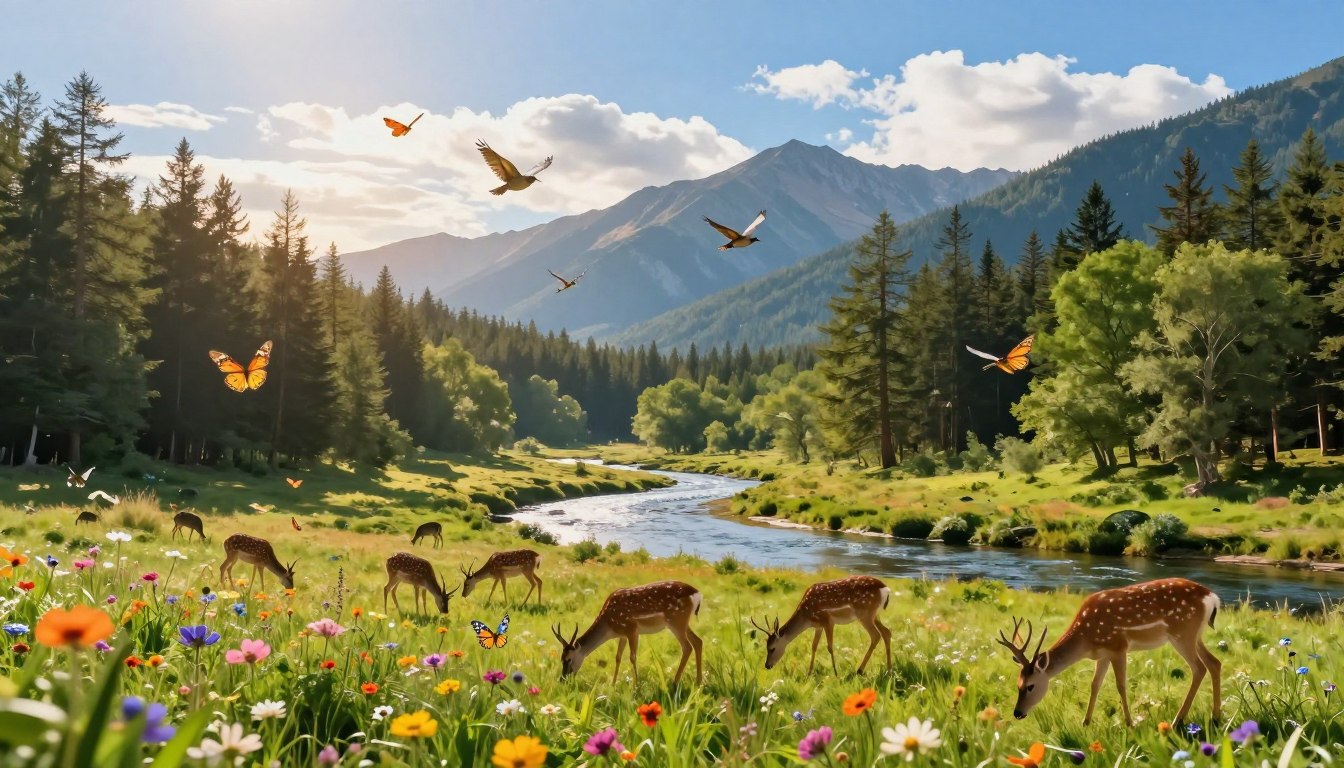
Did you know that over one million species currently face the threat of extinction? This staggering reality highlights why protecting ecosystems and wildlife is no longer just an option; it is a necessity for our survival.
Every living creature plays a unique role in keeping our world healthy. When we lose a single species, the entire web of life begins to fray. You have the power to make a difference by supporting meaningful efforts that restore balance to our natural world.

Key Takeaways
- Biodiversity loss threatens the stability of global life support systems.
- Every species contributes to the health of its specific habitat.
- Individual actions create a collective impact on nature preservation.
- Conservation efforts secure essential resources like water and air.
- Restoring natural balance is vital for a sustainable future.
The Importance of Protecting Ecosystems and Wildlife
Ecosystems and wildlife play a vital role in supporting life on Earth, making their protection essential. The natural world is intricately linked to human well-being, influencing everything from the air we breathe to the water we drink.
Why Nature Matters to Your Daily Life
Nature’s impact on daily life is more significant than you might think. For instance, forests help purify water, reducing the need for costly water treatment processes. Pollinators like bees and butterflies are crucial for food production, contributing to the pollination of many crops. Moreover, natural landscapes provide recreational spaces that enhance mental health and well-being.
Consider the role of wetlands in mitigating flood risks and the importance of oceans in regulating the climate. These ecosystems not only support biodiversity but also offer numerous benefits to human communities.

The Interconnectedness of All Living Things
The natural world is characterized by its interconnectedness. Every species, no matter how big or small, plays a role in the ecosystem. The loss of one species can have ripple effects throughout the entire ecosystem, potentially leading to significant changes or even collapse.
| Ecosystem Component | Function | Benefit to Humans |
|---|---|---|
| Forests | Carbon sequestration, oxygen production | Clean air, climate regulation |
| Wetlands | Water filtration, flood control | Clean water, reduced flood risk |
| Pollinators | Crop pollination | Food production |
Understanding and preserving this interconnectedness is vital for maintaining healthy ecosystems. By protecting habitats and preserving biodiversity, we ensure the long-term health of our planet and its ability to support life.
Understanding Biodiversity and Its Role in Global Health
Understanding the complex relationships within ecosystems is vital for global health. Biodiversity, or the variety of different species of plants, animals, and microorganisms that live in an ecosystem, is crucial for maintaining the balance of nature and supporting life on Earth.
The significance of biodiversity extends beyond the natural world to directly impact human health and well-being. A diverse range of species ensures that ecosystems are resilient and better able to withstand and recover from disturbances such as natural disasters and disease outbreaks.
How Genetic Diversity Strengthens Resilience
Genetic diversity is a fundamental component of biodiversity. It refers to the variety of genes within a species, which determines the traits and characteristics of individuals. A high level of genetic diversity within a species can strengthen its resilience to environmental changes and reduce its vulnerability to diseases.
For example, crops with greater genetic diversity are more likely to have some varieties that are resistant to certain pests or diseases, thereby ensuring food security. Similarly, genetically diverse populations of wildlife are better equipped to adapt to changing environmental conditions.

Ecosystem Services That Support Human Survival
Ecosystems provide a range of essential services that support human survival, including clean air and water, food, and climate regulation. These ecosystem services are directly linked to biodiversity, as diverse ecosystems are more likely to provide these benefits in a sustainable way.
Some of the key ecosystem services include:
- Provisioning services such as food, water, and timber
- Regulating services like climate regulation, pest control, and water purification
- Cultural services that provide recreational, spiritual, and aesthetic benefits
- Supporting services such as soil formation and nutrient cycling
By conserving biodiversity through wildlife conservation efforts and adopting sustainable ecosystem management practices, you can help ensure the continued provision of these essential ecosystem services, supporting human health and well-being.
Major Threats Facing Our Natural World Today
The natural world is facing unprecedented threats that are reshaping our planet. The delicate balance of ecosystems is being disrupted, leading to severe consequences for wildlife and human societies alike. Understanding these threats is crucial for developing effective strategies for ecosystem restoration and species conservation.
Climate Change and Its Impact on Habitats
Climate change is one of the most significant threats to the natural world. Rising temperatures are altering ecosystems, disrupting species’ habitats, and changing migration patterns. For example, polar bears are struggling due to the melting of Arctic ice, while coral reefs are suffering from bleaching events caused by warmer ocean temperatures.

The consequences of climate change are far-reaching, affecting not just wildlife but also human communities that depend on natural resources. As the planet continues to warm, the need for climate-resilient conservation strategies becomes increasingly important.
Pollution and Its Devastating Effects on Wildlife
Pollution is another major threat to the natural world. Plastic pollution, in particular, has become a significant issue, with millions of tons of plastic waste entering the oceans each year. This not only harms marine life but also contaminates the food chain, affecting human health.
- Plastic debris entangles and kills marine animals.
- Chemical pollutants from industrial activities poison wildlife.
- Oil spills devastate marine ecosystems.
Reducing pollution requires a multifaceted approach, including stricter regulations on waste disposal and increased efforts in ecosystem restoration.
Urbanization and the Loss of Natural Corridors
Urbanization is leading to the destruction of natural habitats and the fragmentation of wildlife corridors. As cities expand, natural areas are being converted into urban landscapes, isolating wildlife populations and disrupting their migration routes.
Creating wildlife corridors and protecting natural habitats are essential for maintaining biodiversity. This can involve collaborative efforts between governments, conservation organizations, and local communities to ensure the long-term survival of species.
By understanding the impacts of urbanization and taking proactive steps, we can work towards a future where human development and species conservation go hand in hand.
Successful Wildlife Conservation Efforts Across the United States
Across America, conservation initiatives have led to remarkable recoveries of iconic species, demonstrating the power of dedicated wildlife habitat preservation. These success stories not only highlight the effectiveness of conservation efforts but also underscore the importance of continued commitment to protecting ecosystems and wildlife.
The United States has a long history of conservation achievements, from the establishment of national parks to targeted species recovery programs. These efforts have not only preserved natural beauty but have also ensured the survival of numerous species that were once on the brink of extinction.
The Recovery of Iconic Species
One of the most notable success stories in U.S. conservation is the recovery of the bald eagle. Once listed as an endangered species due to habitat loss and pesticide poisoning, concerted conservation efforts led to its removal from the endangered list in 2007.
“The bald eagle’s recovery is a testament to the power of conservation,” said a U.S. Fish and Wildlife Service official.
This achievement was largely due to the banning of DDT, habitat protection, and reintroduction programs.
Another iconic species, the gray wolf, has also seen significant recovery efforts. Reintroduced to Yellowstone National Park in the 1990s, gray wolves have not only thrived but have also contributed to the overall health of the ecosystem. This reintroduction has been cited as a prime example of the importance of protecting ecosystems and wildlife in a holistic manner.
National Parks and Protected Wilderness Areas
National parks and protected wilderness areas play a crucial role in wildlife habitat preservation. These areas provide a safe haven for countless species, allowing them to thrive without the pressures of human development. Yellowstone, Yosemite, and the Grand Canyon are just a few examples of national parks that have become synonymous with conservation and natural beauty.
These protected areas not only preserve biodiversity but also offer opportunities for scientific research, education, and eco-tourism. By supporting these conservation efforts, you are contributing to the long-term health of our planet’s ecosystems.
Sustainable Ecosystem Management Practices
As you explore the vital aspects of environmental conservation, sustainable ecosystem management practices play a crucial role. These practices are essential for maintaining the health and resilience of ecosystems, which in turn support a wide range of plant and animal species.
Effective sustainable ecosystem management involves a delicate balance between human needs and ecological limits. It’s about understanding the intricate relationships within ecosystems and making informed decisions that minimize harm to the environment.
Balancing Human Needs with Ecological Limits
Balancing human needs with ecological limits requires careful planning and management. This involves assessing the potential impacts of human activities on the environment and implementing measures to mitigate any negative effects.
- Conducting thorough environmental assessments to identify potential risks and opportunities.
- Implementing sustainable land-use practices that minimize habitat destruction and preserve biodiversity.
- Promoting eco-friendly technologies and practices that reduce pollution and waste.
The Role of Regenerative Agriculture
Regenerative agriculture is a key component of sustainable ecosystem management. This approach focuses on enhancing the health and fertility of soils, promoting biodiversity, and improving ecosystem services.
Some of the key benefits of regenerative agriculture include:
- Improved soil health through the use of organic amendments and reduced tillage.
- Increased biodiversity by promoting a diverse range of crop and animal species.
- Enhanced ecosystem services, such as pollination and pest control.
By adopting regenerative agriculture practices, you can contribute to a more sustainable food system while also supporting environmental conservation efforts.
The Science and Benefits of Ecosystem Restoration
Ecosystem restoration plays a vital role in preserving biodiversity and ensuring global health. As you explore the various aspects of ecosystem restoration, you’ll discover its far-reaching benefits, from enhancing natural habitats to supporting human well-being.
Restoration efforts can take many forms, each with its unique advantages. Two significant areas of focus are reforestation and wetland restoration, both of which contribute substantially to ecological health.
Reforestation and Carbon Sequestration
Reforestation is a powerful tool in the fight against climate change. By planting trees in areas where forests have been depleted, you can help restore ecosystems that absorb carbon dioxide, a key greenhouse gas. This process, known as carbon sequestration, is crucial for mitigating the effects of global warming.
Trees and forests are not just carbon sinks; they also provide habitat for a vast array of wildlife, protect soil from erosion, and support local water cycles. Reforestation efforts can be seen in various parts of the world, from community-led initiatives to large-scale government projects.
Restoring Wetlands for Water Quality
Wetlands are another critical ecosystem that benefits greatly from restoration efforts. These areas, which include marshes, swamps, and bogs, play a vital role in maintaining water quality. Wetlands act as natural filters, trapping pollutants and sediments that would otherwise enter rivers and lakes.
Restoring wetlands not only improves water quality but also provides habitat for numerous plant and animal species. Many birds, fish, and other wildlife depend on wetlands for breeding, feeding, and shelter. By restoring these areas, you’re helping to ensure the survival of these species and the health of our water resources.
In conclusion, ecosystem restoration is a multifaceted approach that offers numerous benefits for both the environment and human societies. Through efforts like reforestation and wetland restoration, you can contribute to a healthier planet.
How Habitat Protection Sustains Endangered Species
Conserving habitats is a key strategy in the fight against species extinction. When you protect natural habitats, you provide endangered species with the environments they need to survive and thrive. Habitat protection is not just about preserving landscapes; it’s about ensuring the long-term survival of the diverse species that call these habitats home.
Habitat loss is one of the primary drivers of species endangerment. By safeguarding habitats, you directly contribute to the conservation of biodiversity. This involves not just protecting areas from human encroachment but also restoring degraded habitats to their natural state.
Identifying Critical Habitats for Survival
Identifying and protecting critical habitats is a crucial step in species conservation. These habitats are essential for the survival of endangered species, providing them with food, shelter, and breeding grounds. For example, wetlands are vital for numerous bird species, while coral reefs support a vast array of marine life.
Critical habitats can include:
- Nesting grounds for birds and turtles
- Migration routes for various species
- Breeding areas for fish and other marine life
| Habitat Type | Species Supported | Conservation Importance |
|---|---|---|
| Wetlands | Migratory birds, fish | High |
| Coral Reefs | Marine life, including fish and invertebrates | Very High |
| Forests | Various mammals, birds, and insects | High |
Creating Wildlife Corridors for Migration
Wildlife corridors are essential for connecting isolated habitats, allowing species to migrate, find mates, and escape harsh environmental conditions. By creating these corridors, you facilitate genetic diversity among species, which is crucial for their long-term survival.
Effective wildlife corridors:
- Enable species migration and dispersal
- Support genetic diversity
- Help maintain ecosystem balance
By understanding the importance of habitat protection and taking action to conserve and connect habitats, you can make a significant difference in the fight against species extinction. Every effort counts, from supporting conservation organizations to advocating for policies that protect natural habitats.
Practical Ways You Can Contribute to Conservation
You have the power to contribute to environmental conservation in various meaningful ways. By making conscious choices and taking deliberate actions, you can significantly impact the health of our planet. Conservation is a collective effort that relies on the participation of individuals, communities, and organizations working together towards a common goal.
Supporting Local Conservation Organizations
One of the most effective ways to contribute to conservation is by supporting local organizations dedicated to this cause. These organizations often work on the frontlines, protecting and preserving natural habitats and wildlife. By donating, volunteering, or spreading the word about their efforts, you can make a tangible difference.
Local conservation organizations are crucial because they understand the specific needs and challenges of their area. They can implement targeted strategies that larger, national organizations might not be able to achieve. Your support can help them continue their vital work.
Making Sustainable Choices in Your Home
Making sustainable choices in your daily life is another powerful way to contribute to conservation. Simple actions, such as reducing energy consumption, using eco-friendly products, and minimizing waste, can collectively have a significant positive impact on the environment.
- Reduce your use of single-use plastics.
- Choose products with sustainable packaging.
- Conserve water and energy in your home.
- Support companies that prioritize environmental sustainability.
Advocating for Policy Changes
Advocating for policy changes at the local, state, and national levels is a critical aspect of conservation. By supporting legislation that protects natural habitats and promotes sustainability, you can help create a broader impact.
You can advocate for policy changes by contacting your representatives, participating in public consultations, and supporting campaigns led by conservation organizations. Every voice counts, and collective action can lead to significant policy shifts.
The Future of Global Environmental Conservation
The future of protecting ecosystems and wildlife hinges on your ability to innovate and cooperate on a global scale. As environmental challenges continue to evolve, it’s clear that both technological advancements and collaborative international efforts will be crucial in shaping the conservation landscape.
One of the most significant areas where innovation is making a difference is in the monitoring of wildlife. Advanced technologies such as drones, camera traps, and satellite tracking are revolutionizing the way conservationists understand and protect wildlife populations.
Technological Innovations in Monitoring Wildlife
Technological innovations are providing unprecedented insights into wildlife behavior, habitat health, and population dynamics. For instance, camera traps equipped with AI can identify specific species and even individual animals, offering detailed data without the need for human intervention.
- Satellite imaging allows for the monitoring of habitat changes and deforestation on a large scale.
- Acoustic sensors can detect the presence of specific species through their sounds, aiding in biodiversity assessments.
- Drones are being used for anti-poaching patrols and to monitor wildlife populations in hard-to-reach areas.
The Importance of International Cooperation
While technology provides the tools, international cooperation is the key to effectively implementing conservation strategies on a global scale. Agreements like the Convention on International Trade in Endangered Species of Wild Fauna and Flora (CITES) and the Paris Agreement demonstrate the potential for global cooperation in wildlife habitat preservation and environmental protection.
By working together, countries can share knowledge, resources, and policies to protect migratory species, combat wildlife trafficking, and address global challenges like climate change.
As you look to the future, it’s evident that the success of global environmental conservation will depend on continued innovation and a steadfast commitment to international cooperation. By embracing these elements, you can play a crucial role in safeguarding the planet’s ecosystems and wildlife for generations to come.
Conclusion
As you reflect on the importance of ecosystems and wildlife conservation, it’s clear that biodiversity preservation and ecosystem restoration are crucial for the planet’s health. Your daily choices and actions can significantly impact the natural world, from supporting conservation organizations to making sustainable lifestyle choices.
By understanding the interconnectedness of all living things and the role you play in protecting the environment, you can contribute to a future where ecosystems thrive and wildlife populations flourish. Ecosystem restoration efforts, such as reforestation and wetland restoration, not only support biodiversity but also enhance your community’s resilience to climate change.
Every small action counts, and collective efforts can lead to significant positive change. You can make a difference by advocating for policies that prioritize biodiversity preservation and ecosystem restoration, supporting local initiatives, and educating others about the importance of conservation.
FAQ
Why is protecting ecosystems and wildlife so critical for your daily life?
When you support protecting ecosystems and wildlife, you are essentially safeguarding the natural systems that provide your clean water, fresh air, and fertile soil. Healthy environments, like those managed by The Nature Conservancy, act as a buffer against extreme weather and ensure that the food chain remains stable, which directly impacts your grocery prices and overall health.
How does biodiversity preservation contribute to global health?
Biodiversity preservation is like a massive insurance policy for the planet. A wide variety of species ensures that ecosystems can recover from disasters. For you, this means a higher likelihood of discovering new medical breakthroughs; for instance, many life-saving medicines are derived from plants found in the Amazon Rainforest. Keeping nature diverse keeps you resilient.
What are some examples of successful wildlife conservation efforts in the U.S.?
You can look at the incredible recovery of the Bald Eagle or the American Bison as prime examples of what happens when we prioritize nature. Thanks to wildlife conservation efforts and legislation like the Endangered Species Act, these iconic animals were brought back from the brink of extinction, proving that dedicated human intervention can reverse environmental damage.
What does sustainable ecosystem management look like in practice?
Sustainable ecosystem management involves balancing your needs with what the earth can actually provide. Brands like Patagonia and Seventh Generation champion these practices by using recycled materials and advocating for land protection. It’s about ensuring that we don’t harvest resources faster than the National Park Service or local forests can regenerate them.
How does ecosystem restoration help combat climate change?
Ecosystem restoration projects, such as the massive reforestation initiatives led by American Forests, are vital for carbon sequestration. By planting millions of trees and restoring degraded wetlands, we can pull carbon dioxide out of the atmosphere, effectively cooling your local environment and protecting your community from the rising costs of climate-related damages.
Why is wildlife habitat preservation essential for migration?
Many animals, like the Monarch butterfly or the Pronghorn antelope, require vast stretches of land to survive their seasonal journeys. Wildlife habitat preservation focuses on creating “wildlife corridors”—connected patches of land that allow these species to move safely. Without these corridors, many species would be trapped in isolated “islands” of habitat, leading to a decline in genetic health.
How can habitat protection prevent the extinction of endangered species?
Habitat protection is often the single most important factor in saving a species. When organizations like the World Wildlife Fund (WWF) secure specific areas for the Florida Panther, they are ensuring the animals have the space to hunt, mate, and raise their young without human interference, which is the most effective way to sustain their populations long-term.
In what ways can you contribute to environmental conservation from home?
You have more power than you might think! You can contribute to environmental conservation by reducing your plastic waste, planting native species in your yard to support local pollinators, and donating to reputable groups like the Audubon Society. Every sustainable choice you make sends a signal to the market that you value a healthy, living planet.
What role does species conservation play in maintaining agricultural stability?
Species conservation isn’t just about protecting big, famous animals; it’s about the small ones too, like bees and bats. These “ecosystem engineers” provide essential pollination services for the crops you eat every day. By protecting these species, you are ensuring that farmers can continue to produce the food your family relies on.
How will technology influence the future of protecting ecosystems and wildlife?
The future is looking bright thanks to innovations like satellite monitoring and AI. Conservationists now use drones and bioacoustic sensors to monitor remote areas, allowing for real-time responses to poaching or illegal logging. This high-tech approach makes protecting ecosystems and wildlife more efficient and accurate than ever before, giving your favorite natural spaces a fighting chance.