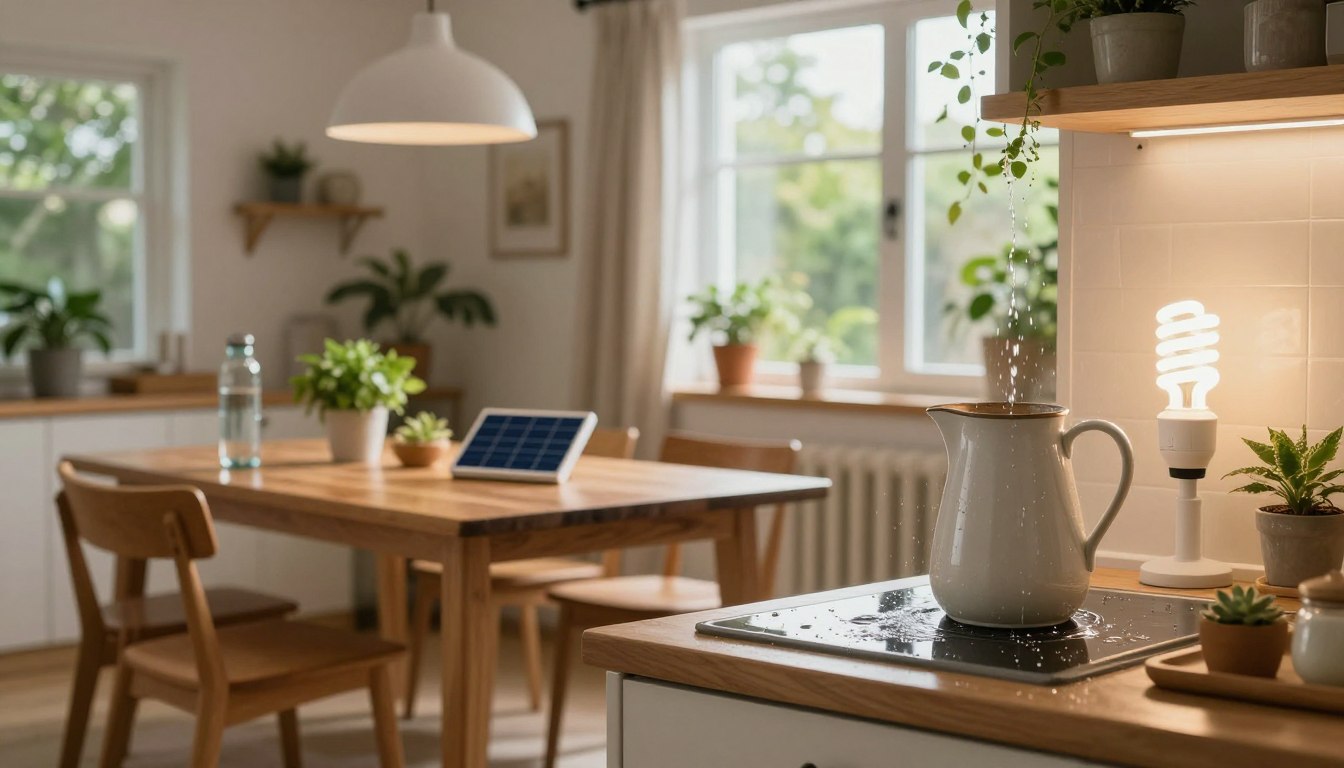
We all share a deep desire to protect the world our children will inherit. It often feels overwhelming to consider the scale of global environmental challenges, yet the most meaningful change begins right inside our own homes.

We can easily reduce our utility bills while preserving precious natural resources. This intentional approach to saving water and electricity empowers us to build a greener, more resilient future for the next generation.
Key Takeaways
- Small daily adjustments lead to significant long-term environmental impact.
- Reducing utility consumption lowers monthly household expenses effectively.
- Sustainable habits foster a deeper connection to our local ecosystem.
- Simple behavioral changes are often more effective than expensive upgrades.
- Protecting resources today ensures a healthier planet for our children.
The Philosophy of Sustainable Living
Living sustainably is not just about grand gestures; it’s about the small, everyday choices that collectively make a significant difference. As we navigate our daily lives, we have numerous opportunities to adopt habits that reduce our impact on the environment.
By making conscious decisions, we can significantly reduce our ecological footprint. This involves being mindful of our consumption patterns, reducing waste, and conserving natural resources. Energy efficiency is a critical aspect of sustainable living, as it not only reduces our environmental impact but also helps in saving on utility bills.
Why Small Changes Create Big Impacts
Small changes in our daily habits can collectively lead to significant positive impacts on the environment. For instance, switching to energy-efficient lighting, reducing water usage, and minimizing food waste are simple actions that can make a substantial difference. These actions may seem minor in isolation, but when adopted by a large number of people, they can lead to considerable environmental benefits.
Understanding the power of collective action is crucial. When we work together towards a common goal of sustainability, our individual actions become part of a larger, more impactful movement. This collective effort can drive significant changes in how resources are consumed and conserved.

Understanding Our Environmental Footprint
To live more sustainably, it’s essential to understand our environmental footprint. This involves assessing how our daily choices affect the environment, from the energy we use to the waste we produce. By gaining a clearer picture of our impact, we can identify areas where we can improve and make more informed decisions.
Our environmental footprint is influenced by various factors, including our energy consumption, water usage, and waste management practices. By being more mindful of these factors and making adjustments as needed, we can reduce our footprint and contribute to a more sustainable future.
Embracing sustainable living practices is a journey that requires patience, awareness, and a willingness to adapt. By understanding the impact of our choices and making conscious decisions, we can create a more sustainable and environmentally friendly lifestyle.
Mastering Energy Efficiency in the Kitchen
The kitchen, being one of the most energy-intensive areas of our homes, offers a significant opportunity for energy savings. By focusing on optimizing our appliances and cooking techniques, we can make a substantial impact on our overall energy consumption.
Optimizing Refrigerator Performance
One of the most effective ways to enhance energy efficiency in the kitchen is by ensuring our refrigerators are running optimally. Regular maintenance, such as cleaning the condenser coils and checking the door seals, can significantly improve performance. Additionally, adjusting the temperature settings to the recommended levels can help reduce energy consumption.
Key tips for optimizing refrigerator performance include:
- Cleaning the condenser coils every six months
- Checking and replacing door seals as needed
- Keeping the refrigerator at the optimal temperature (around 37°F for the fridge and 0°F for the freezer)
Cooking Smarter with Induction and Convection
Adopting advanced cooking technologies like induction cooking and convection ovens can also lead to significant energy savings. Induction cooking, for instance, uses electromagnetic fields to heat cookware directly, reducing energy loss. Convection ovens, on the other hand, circulate hot air to cook food more evenly and quickly, allowing for lower cooking temperatures and times.
Utilizing Residual Heat
Utilizing residual heat is a simple yet effective strategy. For example, turning off the oven a few minutes before the cooking time is up and letting the residual heat finish the cooking process can save energy. Similarly, using the heat retained in cookware after turning off the stovetop can continue cooking food without additional energy input.
Choosing Energy Star Appliances
When it’s time to replace kitchen appliances, choosing models with the Energy Star label is a smart move. Energy Star appliances meet energy efficiency standards set by the U.S. Environmental Protection Agency, ensuring they use less energy than standard models. This not only reduces our utility bills but also contributes to a more sustainable environment.
“By making informed choices about our kitchen appliances and cooking habits, we can significantly reduce our energy footprint and contribute to a more sustainable future.”

By implementing these strategies, we can master energy efficiency in the kitchen, making our homes more sustainable and reducing our utility bills.
Smart Strategies for Saving Water and Electricity in the Laundry Room
The laundry room is often overlooked when it comes to saving water and electricity, but with a few simple changes, it can become a hub for eco-friendly practices. By adopting some smart strategies, we can significantly reduce our consumption of these precious resources.
Cold Water Washing Techniques
One of the simplest ways to save energy in the laundry room is by switching to cold water washing techniques. Washing clothes in cold water can save a significant amount of energy that would otherwise be used to heat the water. Most modern detergents are designed to work effectively in cold water, making this an easy switch to make.
Additionally, using cold water can help preserve the quality of our clothes, reducing fading and wear. This simple change can make a big difference in our overall energy consumption.
Maximizing Dryer Efficiency
Maximizing dryer efficiency is another crucial step in saving electricity in the laundry room. There are several ways to achieve this, including regular maintenance and the use of eco-friendly accessories.
Cleaning Lint Filters Regularly
Cleaning the lint filter after every use is a simple yet effective way to improve dryer efficiency. A clogged lint filter can increase energy consumption and prolong drying times. By cleaning it regularly, we can ensure that our dryer operates at its best.
Using Wool Dryer Balls
Using wool dryer balls is another strategy to maximize dryer efficiency. These balls help to separate clothes and improve airflow, reducing drying time and energy consumption. They are also a natural alternative to fabric softeners and can be reused multiple times.

| Strategy | Energy Savings | Water Savings |
|---|---|---|
| Cold Water Washing | High | Low |
| Cleaning Lint Filters | Medium | None |
| Using Wool Dryer Balls | Medium | None |
Lighting Up Our Homes Sustainably
Lighting is a crucial aspect of our daily lives, and adopting sustainable lighting solutions can greatly impact our energy consumption. By making a few simple changes, we can significantly reduce our energy usage and contribute to a more eco-friendly home environment.
Transitioning to LED Technology
One of the most effective ways to make our lighting more sustainable is by transitioning to LED technology. LEDs consume significantly less energy than traditional incandescent bulbs and can last up to 25 times longer. This not only reduces our energy consumption but also decreases the frequency of replacements, thereby reducing waste.
Leveraging Natural Daylight
Another strategy for sustainable lighting is leveraging natural daylight. By optimizing window placements and using reflective surfaces, we can maximize the amount of natural light in our homes. This reduces the need for artificial lighting during the day, further decreasing our energy usage.
Installing Motion Sensors and Smart Dimmers
Installing motion sensors and smart dimmers is also an effective way to ensure that our lights are used efficiently. These devices can automatically turn off lights when not in use or adjust their brightness based on the time of day or occupancy of the room, thereby reducing unnecessary energy consumption.
| Lighting Solution | Energy Consumption | Lifespan |
|---|---|---|
| Incandescent Bulbs | High | 1,000 – 2,000 hours |
| LED Bulbs | Low | 25,000 – 50,000 hours |
| Smart Lighting | Variable, often low | Varies, often long-lasting |

Heating and Cooling Hacks for Year-Round Comfort
To reduce our environmental footprint, it’s essential to explore effective heating and cooling hacks that ensure our homes remain comfortable throughout the year. Heating and cooling systems are among the largest consumers of energy in our homes, so optimizing their performance is crucial for achieving year-round comfort while being energy-efficient.
Maintaining HVAC Systems for Peak Performance
Regular maintenance of our Heating, Ventilation, and Air Conditioning (HVAC) systems is vital for their efficiency and longevity. This includes changing filters regularly, cleaning ducts, and scheduling annual professional inspections. By doing so, we can ensure that our systems operate at peak performance, reducing the risk of breakdowns and improving indoor air quality.
Key Maintenance Tasks:
- Change filters every 1-3 months
- Clean ducts and vents annually
- Schedule professional inspections yearly
The Role of Programmable Thermostats
Programmable thermostats offer a convenient way to manage our home’s temperature, allowing us to save energy when we’re not home or when we’re sleeping. By adjusting the temperature according to our schedule, we can significantly reduce our energy consumption without sacrificing comfort.
Setting Optimal Seasonal Temperatures
Setting the right temperatures for different seasons can lead to substantial energy savings. For instance, in winter, setting the thermostat to 68°F when we’re home and lower when we’re away or asleep can make a big difference. In summer, keeping the temperature at 78°F or higher when we’re home and adjusting it when we’re not can also help reduce our utility bills.
| Season | Recommended Temperature (Home) | Recommended Temperature (Away/Sleeping) |
|---|---|---|
| Winter | 68°F | 55-60°F |
| Summer | 78°F | 85-90°F |
Improving Home Insulation and Sealing Drafts
Improving our home’s insulation and sealing drafts are fundamental steps in preventing heat loss in the winter and heat gain in the summer. This not only makes our homes more comfortable but also reduces the strain on our HVAC systems, leading to lower energy bills.
Effective insulation materials include fiberglass, cellulose, and spray foam. Sealing drafts around windows, doors, and ducts can be done using caulk, weatherstripping, and spray foam. By taking these steps, we can create a more energy-efficient home that remains comfortable throughout the year.

Water Conservation Tactics for the Bathroom
Water usage in the bathroom can be substantially reduced with a few simple changes. The bathroom is a significant area for water consumption, making it a key focus for conservation efforts. By implementing a few straightforward strategies, we can make a substantial impact on our overall water usage.
Installing Low-Flow Showerheads
One of the easiest ways to conserve water in the bathroom is by installing low-flow showerheads. These showerheads are designed to use significantly less water while still providing a satisfying shower experience. Look for showerheads that have been certified by programs such as WaterSense, which identifies products that meet EPA’s criteria for water efficiency and performance.
- Reduce water flow by up to 2.5 gallons per minute.
- Maintain water pressure for a comfortable shower.
- Easy to install, with many models available.
Managing Faucet Usage
Managing faucet usage is another effective way to conserve water. Simple actions like turning off the tap while brushing teeth or washing hands can save a significant amount of water. Additionally, installing faucet aerators can reduce water flow without compromising pressure.
Some key tips include:
- Fixing leaks promptly to avoid wasting water.
- Using a basin to rinse your face or hands instead of running water.
- Installing low-flow faucets or faucet aerators.
Upgrading to Dual-Flush Toilets
Upgrading to dual-flush toilets is a highly effective measure for water conservation. Dual-flush toilets offer two flush options: a full flush for solid waste and a reduced flush for liquid waste. This can significantly reduce the amount of water used per flush.
Benefits of dual-flush toilets include:
- Significant water savings, especially with frequent use.
- Customizable flushing options for different types of waste.
- Potential long-term savings on water bills.
By implementing these water conservation tactics in the bathroom, we can significantly reduce our water usage and contribute to a more sustainable future. Every small change counts, and collectively, these changes can make a substantial difference.
Reducing Phantom Energy Loads
Reducing phantom energy loads is a simple yet impactful strategy for saving energy and lowering utility bills. Phantom energy, also known as standby power or vampire power, refers to the energy consumed by devices when they are turned off but still plugged in.
These devices can account for a significant portion of our energy usage, often going unnoticed. To combat this, we need to identify the sources of phantom energy and take steps to mitigate them.
Identifying Energy Vampires
The first step in reducing phantom energy is to identify the devices that are consuming it. Common culprits include televisions, computers, phone chargers, and kitchen appliances. These devices often continue to draw power when turned off, waiting for a signal to turn back on or maintaining a standby mode.
To identify energy vampires in your home, try this simple test:
- Unplug a device or a group of devices.
- Check your electricity meter or use a smart plug to monitor the change in energy consumption.
- If you notice a decrease, you’ve likely identified an energy vampire.
Using Smart Power Strips
One effective way to eliminate phantom energy is by using smart power strips. These strips can automatically cut power to devices when they are not in use, eliminating standby power consumption.
For example, you can plug your TV and its peripherals into a smart power strip. When you turn off the TV, the strip will cut power to the peripherals, such as the soundbar and DVD player, thereby reducing phantom energy.
| Device | Average Standby Power Consumption (Watts) | Annual Energy Consumption (kWh) |
|---|---|---|
| TV | 5-10 | 43.8 – 87.6 |
| Computer | 2-5 | 17.5 – 43.8 |
| Phone Charger | 0.1-1 | 0.88 – 8.76 |
Unplugging Devices When Not in Use
Another straightforward strategy is to unplug devices when they are not in use. This simple habit can significantly reduce phantom energy consumption.
By being mindful of our energy usage and taking steps to reduce phantom energy loads, we can make a positive impact on our energy efficiency and lower our utility bills.
Outdoor Water Conservation and Landscaping
Our outdoor spaces can significantly impact our water usage, making conservation efforts vital. As we strive to live more sustainably, it’s essential to consider how our landscaping choices and gardening practices affect our water consumption.
By implementing a few simple strategies, we can reduce our outdoor water usage while maintaining beautiful and thriving gardens.
Implementing Drip Irrigation Systems
One effective way to conserve water outdoors is by using drip irrigation systems. These systems deliver water directly to the roots of plants, reducing evaporation and runoff. This targeted watering approach not only saves water but also promotes healthier plant growth.
To maximize the efficiency of drip irrigation systems, it’s crucial to design them according to the specific needs of your plants and soil type.
Choosing Native Drought-Resistant Plants
Another key strategy for outdoor water conservation is selecting native drought-resistant plants. These plants are naturally adapted to the local climate and soil conditions, requiring less water and maintenance. By choosing the right plants for our gardens, we can significantly reduce our water usage.
| Plant Type | Water Requirement | Maintenance Level |
|---|---|---|
| Succulents | Low | Low |
| Native Grasses | Low to Medium | Medium |
| Drought-Resistant Shrubs | Medium | Medium to High |
Collecting Rainwater for Garden Use
Collecting rainwater is a simple yet effective way to conserve water for our gardens. By installing rain barrels or cisterns, we can capture and store rainwater for later use, reducing our reliance on municipal water supplies.
This practice not only conserves water but also reduces stormwater runoff, helping to protect local waterways from pollution.
By incorporating these eco-friendly practices into our outdoor spaces, we can make a significant contribution to sustainable living and reduce our environmental footprint.
Conclusion
As we have explored throughout this article, saving water and electricity at home is a multifaceted approach that involves simple changes and investments in energy-efficient technologies. By adopting these eco-friendly hacks, we can significantly contribute to sustainable living and reduce our utility bills.
Implementing the strategies outlined in the previous sections, from optimizing refrigerator performance to installing low-flow showerheads, can lead to substantial positive change. Every small action counts, and collectively, these efforts can make a significant difference in our environment.
We can continue to explore and implement more ways to save water and electricity, fostering a culture of sustainable living. By doing so, we not only reduce our environmental footprint but also create a better future for generations to come.
FAQ
Why should we start implementing these eco-friendly tips in our daily routines today?
We believe that every small action contributes to a healthier planet and a more sustainable future. By focusing on saving water and electricity, we not only protect our vital natural resources but also significantly reduce utility bills for our households. Embracing these energy-saving strategies allows us to lower our environmental footprint while enjoying a more mindful lifestyle.
Which kitchen appliances are best for maximizing energy efficiency?
When we upgrade our kitchens, we should look for Energy Star certified brands like Samsung, LG, or Bosch. These appliances are designed with advanced energy efficiency in mind. Additionally, we recommend switching to an induction cooktop, which is much more efficient than traditional gas or electric ranges because it transfers heat directly to your cookware.
How can we practice better water conservation in the laundry room?
We can make a huge impact by switching to cold water washes for the majority of our loads and only running the machine when it is full. To save electricity, we love using Wooly Gang wool dryer balls to reduce drying time and always keeping our Whirlpool or Maytag dryer lint filters clean to ensure maximum airflow and efficiency.
What is the most effective way to manage our home’s heating and cooling costs?
We highly recommend installing a Google Nest or Ecobee smart programmable thermostat. These devices help us automate our energy-saving strategies by adjusting temperatures based on when we are actually home. This, combined with sealing drafts and improving insulation, is a cornerstone of sustainable living that keeps us comfortable year-round.
How do we stop “energy vampires” from increasing our monthly expenses?
We can use smart power strips from brands like Belkin or TP-Link to automatically cut power to devices like televisions, game consoles, and chargers when they aren’t in use. Identifying these “energy vampires” and unplugging them is one of the easiest eco-friendly tips to follow if we want to effectively reduce utility bills.
Are there specific products that help with water conservation in the bathroom?
Absolutely! We suggest installing Kohler or Moen low-flow showerheads and upgrading to Delta dual-flush toilets. These simple hardware upgrades are essential for water conservation, as they drastically cut down our daily water waste in the most high-use room of the house without sacrificing water pressure or performance.
How can we maintain a beautiful garden while still saving water and electricity?
We can transition our outdoor spaces to feature native drought-resistant plants and set up a RainBird drip irrigation system to deliver moisture directly to the roots. By collecting rainwater in specialized barrels for garden use, we provide our plants with natural hydration while practicing excellent water conservation and reducing our reliance on municipal supplies.
What role does lighting play in our energy-saving strategies?
Lighting is a simple place to start our journey toward sustainable living. By replacing old incandescent bulbs with Philips Hue or Cree LED bulbs, we use significantly less power. We also suggest installing motion sensors or smart dimmers to ensure that we are only saving water and electricity by using light exactly when and where we need it.