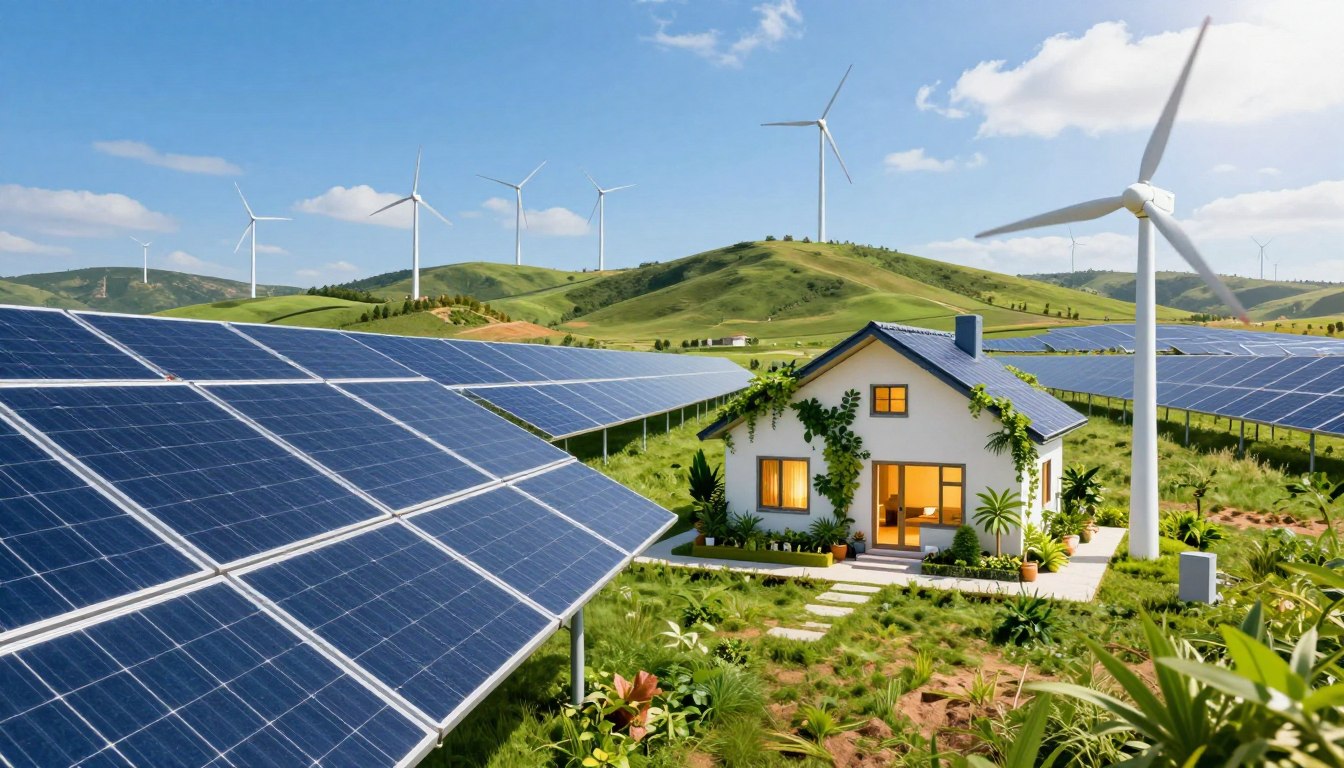
Have you ever wondered if your residence could generate its own power? I often think about how my daily habits impact the planet. Transitioning to a greener lifestyle feels like a big step, but it starts with small changes.
I have discovered that many homeowners now rely on renewable energy sources to manage their utility needs. By tapping into natural power, we can lower our carbon footprint significantly. It is truly empowering to take control of how we manage our domestic environment.

Key Takeaways
- Harnessing natural power reduces reliance on traditional grids.
- Sustainable upgrades improve long-term home efficiency.
- Small changes lead to significant environmental benefits.
- Modern technology makes green living accessible to everyone.
- Understanding your consumption is the first step toward change.
How My Home Can Be Used for electricity and heating
With the increasing focus on environmental sustainability, I’m looking into how my home can utilize renewable energy for its electricity and heating needs. By adopting renewable energy sources, I can significantly reduce my reliance on fossil fuels and lower my carbon footprint.
Renewable energy technologies offer a cleaner and more sustainable alternative for meeting my home’s energy demands. Two promising options are solar photovoltaic systems and small-scale wind turbines, which can be integrated into my home to provide a reliable source of electricity and heating.
Harnessing Solar Photovoltaic Systems
Solar photovoltaic (PV) systems convert sunlight into electricity, providing a clean and renewable source of energy. By installing solar panels on my home, I can generate electricity and reduce my dependence on the grid. Solar PV systems are particularly effective in regions with abundant sunlight, making them a viable option for many homes.
The benefits of solar PV systems include:
- Reduced electricity bills
- Lower carbon emissions
- Energy independence

Integrating Small-Scale Wind Turbines
Small-scale wind turbines offer another renewable energy solution for my home. These turbines can be installed on my property to generate electricity, providing a supplementary source of power. The feasibility of wind turbines depends on factors such as wind speed and local regulations.
When considering small-scale wind turbines, it’s essential to:
- Assess the wind resource on my property
- Choose a turbine that suits my energy needs
- Ensure compliance with local zoning laws
By harnessing solar photovoltaic systems and integrating small-scale wind turbines, I can create a more sustainable and energy-efficient home. These technologies not only reduce my environmental impact but also provide a reliable source of electricity and heating.
Top Energy-Saving Technologies for Modern Living
My journey to a more sustainable living space has led me to explore various energy-saving technologies. As I continue on this path, I’ve found that these technologies not only reduce my environmental impact but also provide cost-effective energy solutions that lower my utility bills.
One of the most significant steps I’ve taken is investing in energy-efficient appliances. These appliances are designed to consume less energy while maintaining performance, making them a crucial component of any energy-saving strategy.
Benefits of Energy-Efficient Appliances
Energy-efficient appliances offer numerous benefits, including reduced energy consumption and lower operating costs. For instance, appliances with the ENERGY STAR label are certified to be more energy-efficient than their standard counterparts.
By replacing traditional appliances with energy-efficient models, I’ve noticed a significant reduction in my energy usage. This change has not only helped the environment but has also led to cost-effective energy solutions that benefit my wallet.

Implementing Hybrid Heating Systems
Another effective way to save energy is by implementing hybrid heating systems. These systems combine different heating sources to optimize energy efficiency and reduce costs.
Advantages of Dual-Fuel Setups
Dual-fuel setups, a type of hybrid heating system, offer several advantages. They allow homeowners to switch between different fuel sources based on price and availability, ensuring the most cost-effective heating solution.
For example, a dual-fuel setup might combine a gas furnace with an electric heat pump. This combination allows for efficient heating during milder weather and switches to gas during colder periods, optimizing energy usage and cost.
Reducing Monthly Utility Costs
By implementing hybrid heating systems like dual-fuel setups, homeowners can significantly reduce their monthly utility costs. These systems optimize energy usage by leveraging the most efficient heating source based on current conditions.
In my experience, the integration of energy-saving technologies such as hybrid heating systems has been instrumental in lowering my energy bills. It’s a practical approach to achieving a more sustainable and cost-effective home.
Sustainable Heating Solutions and Eco-Friendly Alternatives
In the quest for a greener tomorrow, understanding sustainable heating solutions is crucial for homeowners like me. As I continue to explore ways to make my home more eco-friendly, I’ve become increasingly interested in electric heating options and geothermal heat pumps. These systems not only reduce greenhouse gas emissions but also provide efficient heating for my home.
Exploring Electric Heating Options
Electric heating options are becoming increasingly popular due to their efficiency and reduced environmental impact. Some of the benefits include:
- Lower installation costs compared to traditional heating systems
- High efficiency rates, often above 90%
- Reduced maintenance needs
- The potential to be powered by renewable energy sources
I’ve been impressed by the advancements in electric heating technology, particularly in systems like heat pumps and radiant floor heating. These systems offer a comfortable and efficient heating solution that can be tailored to the specific needs of my home.
The Role of Geothermal Heat Pumps
Geothermal heat pumps have emerged as a highly efficient and sustainable heating solution. By leveraging the natural heat of the earth, these systems can provide both heating and cooling with minimal environmental impact.

- High efficiency rates, often exceeding 300% efficiency
- Significant reductions in energy consumption and greenhouse gas emissions
- Long system lifespan, typically lasting 20-25 years or more
- Low maintenance requirements
Why I Chose Geothermal for My Property
After careful consideration, I decided to install a geothermal heat pump system in my home. The decision was driven by the system’s potential to reduce my energy bills and minimize my environmental footprint.
My experience with geothermal heating has been overwhelmingly positive. Not only has it provided consistent and reliable heating, but it has also significantly reduced my reliance on fossil fuels. As I continue on my journey towards a more sustainable lifestyle, I’m confident that geothermal heating will play a key role.
Conclusion
My exploration into the uses of systems used for electricity and heating has highlighted the numerous benefits of adopting energy-efficient solutions for my home. By harnessing solar photovoltaic systems and integrating small-scale wind turbines, I can significantly reduce my reliance on non-renewable energy sources.
As I’ve discovered, top energy-saving technologies such as energy-efficient appliances and hybrid heating systems can make a substantial impact on reducing energy consumption. Furthermore, sustainable heating solutions like electric heating options and geothermal heat pumps offer eco-friendly alternatives for modern living.
By considering these options, homeowners can make informed decisions that not only benefit their wallets but also contribute to a more environmentally friendly future. As I reflect on the information presented, it’s clear that there’s a wide range of choices available for those looking to reduce their environmental footprint while meeting their needs for electricity and heating.
FAQ
What are the primary benefits of transitioning to systems used for electricity and heating that rely on renewable energy sources?
In my experience, moving toward renewable energy sources isn’t just about environmental responsibility; it’s about gaining energy independence. By using systems like Tesla Solar panels or Enphase microinverters, I’ve been able to generate my own power, which significantly reduces my reliance on the traditional grid and protects me from rising utility costs.
How do energy-efficient appliances contribute to a more sustainable home?
I’ve found that energy-efficient appliances are the cornerstone of a modern, eco-friendly household. When I upgraded to Energy Star certified products from brands like Samsung and LG, I noticed an immediate decrease in my daily consumption. These energy-saving technologies are designed to do more with less, which is essential for any home used for electricity and heating efficiently.
What makes hybrid heating systems a cost-effective energy solution?
I’ve always been a fan of hybrid heating systems, such as the Carrier Infinity dual-fuel models, because they offer the best of both worlds. By combining an electric heat pump with a gas furnace, the system automatically selects the most efficient fuel source based on the outdoor temperature. This flexibility makes them one of the most cost-effective energy solutions available for year-round comfort.
Why should I consider electric heating options over traditional gas furnaces?
I prefer electric heating options like Mitsubishi Electric ductless mini-splits because they are incredibly precise and versatile. Unlike older systems, these sustainable heating solutions allow me to heat specific zones of my home, reducing wasted energy and providing a much cleaner alternative to burning fossil fuels indoors.
Are geothermal heat pumps really worth the investment for my property?
From my perspective, choosing a WaterFurnace geothermal system was one of the best decisions I made for my property. While the initial setup requires an investment, these eco-friendly heating alternatives tap into the steady temperature of the earth to provide incredibly efficient climate control. It’s a long-term strategy that has drastically lowered my carbon footprint and my monthly bills.
How do I choose the right energy-saving technologies for my specific needs?
I always recommend starting with a home energy audit to see where you’re losing the most heat or power. For me, integrating a Google Nest smart thermostat was a simple first step, but the real impact came from investing in sustainable heating solutions and energy-efficient appliances that work together to create a cohesive, low-impact living space.