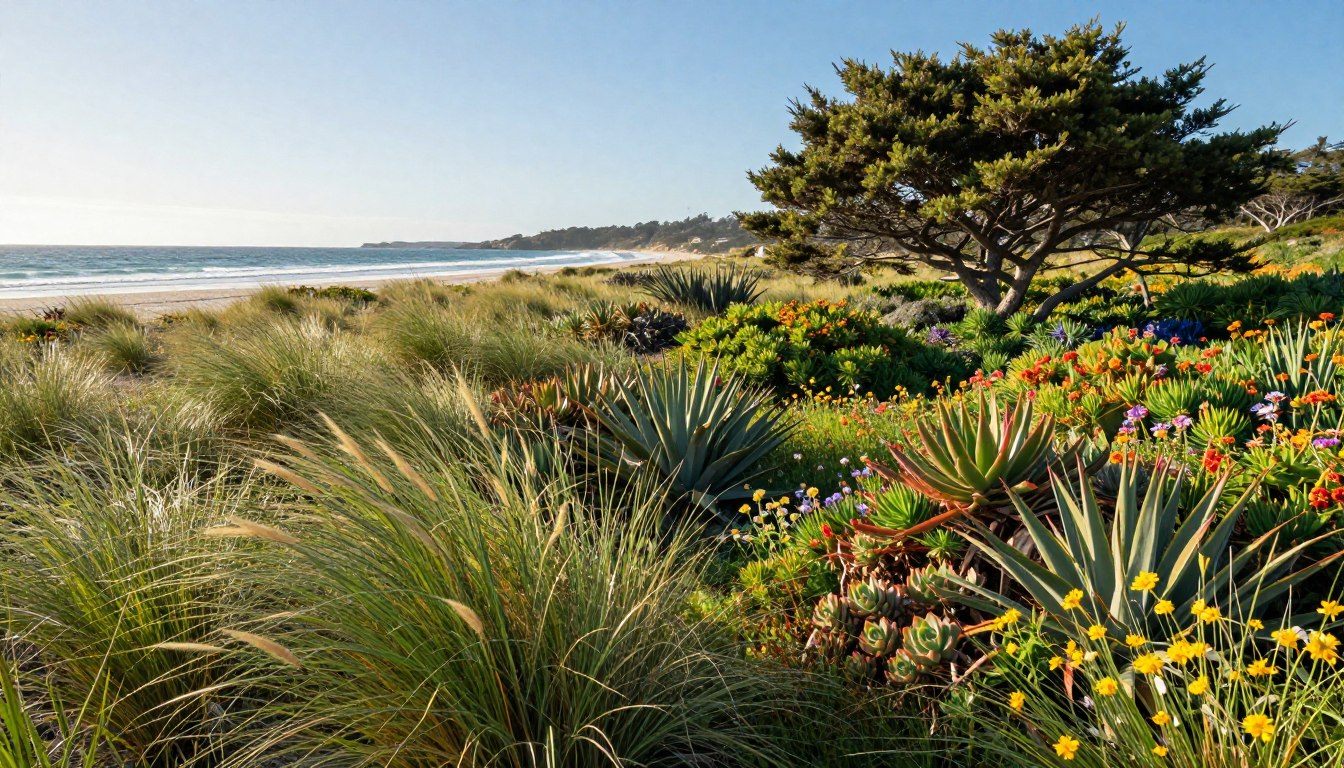
Have you ever stood where the salty breeze meets the warm sand, feeling the world expand before your eyes? We often find ourselves drawn to the shoreline, seeking peace within those vast, windswept landscapes. These regions are truly special places that hold a unique beauty.

We invite you to join us on a journey to uncover the resilient flora that thrives where the land kisses the sea. These plants are common in coastal and open areas, standing tall against harsh winds and shifting dunes. By learning about these remarkable survivors, we gain a deeper appreciation for the delicate balance of our natural world.
Protecting these coastal habitats is vital for the health of our entire ecosystem. Together, we can explore how these species adapt to survive and why their presence matters so much to our future.
Key Takeaways
- Coastal plants possess incredible adaptations to survive salt spray and high winds.
- These ecosystems act as natural barriers that protect our shorelines from erosion.
- Many species found here provide essential food and shelter for local wildlife.
- Preserving these environments helps maintain biodiversity across our planet.
- Understanding these plants allows us to better appreciate the beauty of nature.
The Unique Challenges of Coastal Environments
Plants found in coastal areas have adapted to some of the most challenging conditions on Earth, including salt spray and shifting sands. These environments are characterized by high levels of salt, strong winds, and shifting soils that can be detrimental to many plant species.
The constant exposure to salt spray is one of the major challenges faced by coastal plants. Salt can damage plant tissues and disrupt their ability to absorb water, making it difficult for them to survive. To combat this, many coastal plants have developed specialized features such as thick cuticles or salt-excreting glands.
Adapting to Salt Spray and Sandy Soils
Coastal plants have evolved a range of strategies to cope with the harsh conditions of their environment. For example, some plants have developed deep root systems that allow them to anchor themselves in the sand and access water deeper in the soil. Others have adapted to the nutrient-poor soils by developing symbiotic relationships with microorganisms that help to fix nitrogen.

The Role of Coastal Wildlife in Seed Dispersal
Coastal wildlife plays a crucial role in the dispersal of seeds in these environments. Many coastal plants rely on animals such as birds and mammals to spread their seeds to new areas. This process is essential for the maintenance of genetic diversity within plant populations and allows species to colonize new areas.
The interaction between coastal plants and wildlife is a key component of the oceanic ecosystem. By understanding these interactions, we can gain a deeper appreciation for the complex and interconnected nature of coastal environments.
Flora That Is Common in Coastal and Open Areas
Despite the harsh conditions, coastal and open areas support a wide variety of plant life that is both resilient and fascinating. These areas are characterized by challenging environmental factors such as salt spray, high winds, and shifting sands, yet they are home to a diverse range of flora that have adapted to these conditions.
One of the key groups of plants found in these areas is beach grasses and dune stabilizers. These plants play a crucial role in preventing erosion and creating stable habitats for other species.
Beach Grasses and Dune Stabilizers
Beach grasses and dune stabilizers are vital components of coastal ecosystems. They help to stabilize the sand, preventing it from being blown or washed away, and provide habitat for a variety of wildlife.
American Beachgrass
American Beachgrass is a perennial grass that is native to the eastern coast of North America. It is highly effective at stabilizing dunes and is often used in coastal restoration projects.
Sea Oats
Sea Oats are another important dune stabilizer found in coastal areas. They have a deep root system that helps to anchor the sand in place, preventing erosion.

Salt-Tolerant Shrubs and Groundcovers
In addition to beach grasses, salt-tolerant shrubs and groundcovers are also common in coastal areas. These plants are able to thrive in the challenging conditions found in these environments.
Sea Lavender
Sea Lavender is a low-growing, salt-tolerant shrub that is often found in coastal areas. It produces beautiful purple flowers in the late summer, adding color to the coastal landscape.
Beach Morning Glory
Beach Morning Glory is a groundcover that is able to thrive in the sandy soils and salt spray of coastal areas. It has a sprawling habit and produces white or pink flowers throughout the summer.
| Plant Species | Type | Characteristics |
|---|---|---|
| American Beachgrass | Perennial Grass | Effective dune stabilizer, native to eastern North America |
| Sea Oats | Perennial Grass | Deep root system, anchors sand in place |
| Sea Lavender | Shrub | Salt-tolerant, produces purple flowers |
| Beach Morning Glory | Groundcover | Thrives in sandy soils, produces white or pink flowers |
Why Protecting Coastal Habitats Matters
The importance of safeguarding coastal habitats cannot be overstated, as these areas are crucial for maintaining the health of our planet’s ecosystems. Coastal habitats support a rich variety of life, from the plants and animals that live in the dunes and salt marshes to the marine life that thrives in the waters offshore.
These ecosystems are not just beautiful; they are also vital for the health of our planet. They provide essential services including shoreline stabilization, water filtration, and habitat for countless species. Moreover, they play a significant role in the global carbon cycle and help mitigate the effects of climate change.
Preserving Marine Biodiversity and Ecosystem Health
One of the key reasons to protect coastal habitats is to preserve marine biodiversity. These areas are hotspots for species diversity, hosting a wide range of plants and animals that are found nowhere else on Earth. By protecting these habitats, we are also safeguarding the health of our ecosystems, which in turn supports fisheries, tourism, and other industries that are crucial to local economies.
The loss of marine biodiversity can have cascading effects on the entire ecosystem, leading to reduced fisheries, decreased water quality, and loss of ecosystem resilience. Therefore, preserving the diversity of life in coastal habitats is essential for maintaining the balance of our ecosystems.
The Impact of Human Activity on Open Ocean Environments
Human activities, such as pollution, overfishing, and coastal development, have significant impacts on open ocean environments. Pollution from land-based activities, including agricultural runoff and plastic waste, can lead to the degradation of water quality and harm marine life. Overfishing and destructive fishing practices can deplete fish stocks and damage habitats, while coastal development can lead to habitat destruction and increased pollution.
Understanding the impact of our actions on coastal and open ocean environments is crucial for developing effective conservation strategies. By reducing our footprint and adopting more sustainable practices, we can help mitigate these impacts and protect these vital ecosystems.
How We Can Support Coastal Conservation Efforts
There are many ways we can support coastal conservation efforts. One of the most effective ways is to get involved in local conservation initiatives. This can include participating in beach cleanups, supporting organizations that work to protect coastal habitats, and advocating for policies that prioritize conservation.
- Reduce your use of plastics and participate in beach cleanups to reduce marine pollution.
- Support conservation organizations and initiatives that work to protect coastal habitats.
- Advocate for policies that prioritize coastal conservation and sustainable development.
By working together, we can make a significant difference in the health and resilience of our coastal ecosystems. Protecting these areas is not just a matter of environmental stewardship; it’s also an investment in our future, as these ecosystems provide numerous benefits that support human well-being and economic prosperity.
Conclusion
As we reflect on the plants found in coastal, open areas, it becomes clear that these resilient species play a vital role in their ecosystems. The unique challenges of coastal environments, such as salt spray and sandy soils, have led to the evolution of remarkable adaptations in these plants.
By understanding and appreciating the flora common in coastal and open areas, we can better recognize the importance of conservation efforts. Preserving these ecosystems is crucial for maintaining marine biodiversity and ecosystem health.
We can support coastal conservation by making informed choices and promoting the protection of these unique environments. As we move forward, prioritizing the preservation of our planet’s diverse ecosystems is essential for addressing environmental challenges.
FAQ
Which plants are most common in coastal and open areas that we might encounter during our walks?
We frequently see resilient species like American Beachgrass and Sea Oats in these regions. These plants are especially common in coastal and open areas because they act as primary dune stabilizers. They are essential to our coastal habitats, as their deep root systems help prevent erosion and provide a safe haven for other smaller coastal species.
How do coastal species manage to survive in such harsh, salty environments?
It is truly impressive how these plants have adapted! To survive the constant salt spray and shifting sands of our open ocean environments, many plants have developed waxy leaves to retain moisture and deep taproots to anchor themselves. These unique adaptations ensure the stability of the oceanic ecosystem, allowing life to flourish even in high-salinity zones.
What role does coastal wildlife play in the growth of these plants?
Our local coastal wildlife is vital for the health of these ecosystems. Birds and small mammals often consume seeds and move them to different locations, acting as natural agents for seed dispersal. This interconnectedness ensures that flora can spread across vast distances, maintaining the vibrant marine biodiversity we see along the shoreline.
Why is protecting these specific coastal habitats so important for the planet?
Protecting our coastal habitats is crucial because they serve as the first line of defense against storm surges and rising sea levels. Furthermore, these areas support a vast array of open water species and provide nesting grounds for endangered animals. By maintaining these buffers, we are directly contributing to the preservation of global marine biodiversity.
How can we actively participate in coastal conservation efforts?
We can make a real difference by supporting organizations like the Surfrider Foundation or the Ocean Conservancy. Engaging in local beach cleanups, reducing our use of single-use plastics, and staying on designated paths to protect fragile dune plants are all excellent ways to contribute to coastal conservation. Our collective actions help ensure that these beautiful open ocean environments remain healthy for generations to come.
Are there any specific shrubs or flowers that thrive near the water?
Yes, we often find beautiful salt-tolerant plants like Sea Lavender and Beach Morning Glory decorating the landscape. These plants are not only hardy enough to withstand the elements, but they also provide essential nectar for pollinators, further supporting the delicate balance of our oceanic ecosystem and the various open water species that depend on a healthy coastline.