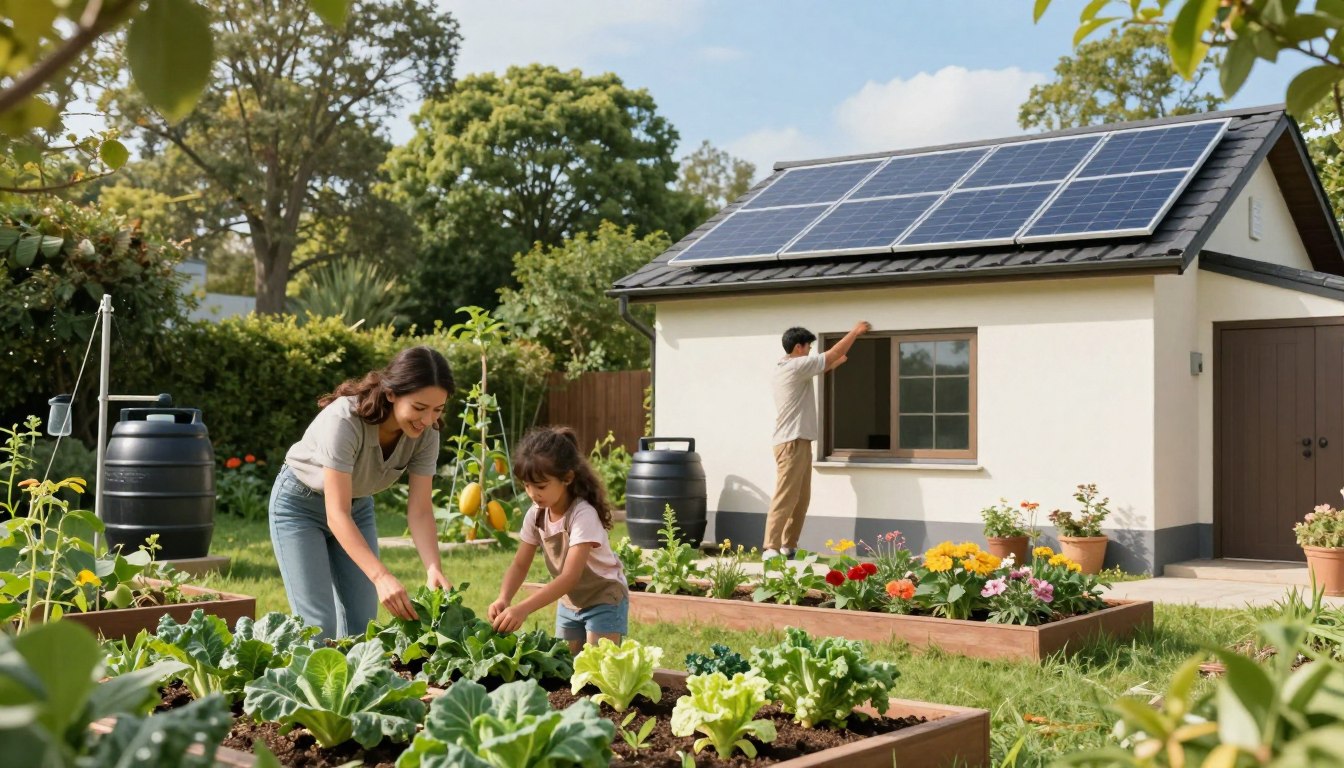
Have you ever wondered if your daily habits at home could actually change the future of our planet? I often think about how my small choices impact the world around me. Adopting sustainable living does not require a complete lifestyle overhaul or expensive upgrades.
Instead, it starts with simple, mindful actions that reduce waste. By conserving water and energy, I find that I save money while helping the environment thrive. These minor adjustments create a ripple effect that benefits everyone in my community.

Key Takeaways
- Small daily changes significantly reduce your environmental footprint.
- Efficiency in the home leads to lower monthly utility bills.
- Sustainable habits are accessible to everyone regardless of budget.
- Mindful resource management protects vital natural supplies for the future.
- Simple upgrades provide long-term benefits for both you and the planet.
My Journey Toward Sustainable Living
As I embarked on my journey toward sustainable living, I realized the impact of small changes in my daily routine. The decision to adopteco-friendly practiceswasn’t just about reducing my environmental footprint; it was also about creating a healthier living space for myself and my family.
My journey began with a thorough assessment of my home and daily habits. I started by identifying areas where I could make immediate changes, such as reducing energy consumption and minimizing water waste. One of the first steps I took was to switch to energy-efficient lighting. Replacing traditional bulbs with LED bulbs not only reduced my energy usage but also significantly lowered my electricity bills.

Another crucial aspect of my journey was understanding the importance ofreducing, reusing, and recycling. I implemented a recycling program at home and made a conscious effort to reduce my use of single-use plastics. These changes, although small, contributed significantly to my overall goal of living more sustainably.
Throughout my journey, I’ve encountered challenges, but the benefits ofsustainable livinghave far outweighed the difficulties. By sharing my experiences, I hope to inspire others to embark on their own path toward a more eco-friendly lifestyle.
The Environmental Impact of Conserving Water and Energy
The environmental benefits of conserving water and energy are multifaceted, ranging from reducing greenhouse gas emissions to preserving biodiversity. As I continue on my path toward sustainable living, I’ve come to appreciate the significant impact that these conservation efforts have on our planet.
Conserving water is crucial because it reduces the energy needed to treat and transport water. For instance, treating and pumping water is a significant energy consumer. By saving water, we also save the energy that would have been used to process it. This, in turn, reduces the amount of greenhouse gases emitted by power plants that burn fossil fuels.
Environmental Benefits of Conservation
- Reducing greenhouse gas emissions
- Preserving natural resources
- Protecting biodiversity
- Mitigating the effects of climate change

One of the most significant advantages of conserving energy is the reduction in air pollution. When we use less energy, we reduce the demand for electricity, which is often generated by burning coal, natural gas, and other fossil fuels. This reduction leads to lower emissions of harmful pollutants like sulfur dioxide, nitrogen oxides, and particulate matter.
| Conservation Action | Environmental Benefit |
|---|---|
| Using low-flow fixtures | Reduces water consumption by up to 20% |
| Upgrading to energy-efficient appliances | Lowers energy consumption by up to 30% |
| Implementing renewable energy sources | Reduces reliance on fossil fuels, lowering emissions |
By making conscious choices to conserve water and energy, we not only contribute to a healthier environment but also set a precedent for others to follow. It’s a collective effort that can lead to significant positive change when we all do our part.
Smart Strategies for Reducing Water Usage at Home
One of the most effective ways to contribute to water conservation is by implementing smart strategies in our daily lives at home. By making a few simple changes, we can significantly reduce our water usage and contribute to a more sustainable future.
As I explored ways to make my home more eco-friendly, I discovered that upgrading to low-flow fixtures and fixing leaks were among the most impactful changes I could make.
Upgrading to Low-Flow Fixtures
Upgrading to low-flow fixtures is a straightforward way to reduce water usage. Low-flow showerheads, faucets, and toilets are designed to use significantly less water than their traditional counterparts without compromising performance.
For instance, installing a low-flow showerhead can save up to 2.5 gallons of water per minute. Similarly, low-flow toilets use as little as 1.28 gallons per flush, compared to the 3.5 to 5 gallons used by older models.
Fixing Leaks Before They Become Problems
Fixing leaks is another critical step in reducing water waste. A single dripping faucet can waste up to 20 gallons of water per day, while a leaky toilet can waste hundreds of gallons.
Regularly inspecting your home’s plumbing for signs of leaks and addressing them promptly can make a significant difference. It’s also a good idea to check your water meter regularly to detect any hidden leaks.
By implementing these strategies, homeowners can significantly reduce their water usage, contributing to water conservation efforts and lowering their water bills.
Mastering Energy Efficiency in Every Room
By optimizing energy use in every room, I was able to significantly decrease my energy consumption. This not only helped reduce my utility bills but also contributed to a more sustainable lifestyle. To achieve this, I focused on two key areas: optimizing lighting and managing phantom power loads.
Optimizing Lighting with LED Technology
One of the simplest ways to enhance energy efficiency is by upgrading to LED lighting. LEDs use significantly less energy than traditional incandescent bulbs and last much longer. For instance, replacing just five frequently used light fixtures with LEDs can save up to $75 per year on energy costs.
Key benefits of LED lighting include:
- Energy savings: LEDs use up to 90% less energy than traditional bulbs.
- Longer lifespan: LEDs can last up to 25 times longer than incandescent bulbs.
- Durability: LEDs are resistant to shock, vibration, and extreme temperatures.
Managing Phantom Power Loads
Another effective strategy is managing phantom power loads, also known as standby power or vampire power. Many devices continue to draw power even when turned off but still plugged in. To combat this, I make it a habit to unplug devices when not in use or use smart power strips that can cut power to devices with the flip of a switch.
Simple ways to manage phantom power include:
- Unplugging chargers and small appliances when not in use.
- Using smart power strips to control power to multiple devices.
- Enabling power-saving features on electronics and appliances.
By implementing these strategies, I was able to significantly reduce my energy consumption and contribute to a more sustainable living environment.
Kitchen Habits That Save Resources
I’ve discovered that adopting eco-friendly practices in the kitchen not only reduces waste but also enhances the overall cooking experience. By making a few simple changes to daily kitchen habits, it’s possible to significantly reduce both water and energy consumption. This not only benefits the environment but can also lead to cost savings over time.
Efficient Dishwashing Techniques
Efficient dishwashing is a crucial aspect of kitchen resource conservation. Using a dishwasher is generally more efficient than washing dishes by hand, especially when it’s fully loaded. If washing dishes by hand, filling the sink with water or using a basin rather than letting the tap run continuously can save a significant amount of water.
- Scrape off large food particles before loading dishes into the dishwasher to ensure a more efficient wash cycle.
- Use the energy-saving cycle on your dishwasher to further reduce energy consumption.
Cooking Methods That Minimize Energy Waste
Adopting the right cooking methods can also minimize energy waste. Using the right-sized pot for the burner can improve heat transfer efficiency. Cooking with lids on pots and pans helps retain heat, reducing cooking time and energy consumption.
Other effective strategies include:
- Using induction cooking, which is more energy-efficient than traditional electric or gas stoves.
- Thawing frozen foods before cooking to reduce cooking time.
Transforming Laundry Day into an Eco-Friendly Routine
I’ve discovered that transforming laundry day into an eco-friendly routine not only benefits the environment but also saves on utility bills. By making a few simple changes to my laundry habits, I’ve been able to significantly reduce my household’s energy consumption and water usage.
One of the most effective ways to make laundry day more eco-friendly is by being mindful of the temperature settings on my washing machine. Choosing the right temperature can greatly impact energy efficiency. For instance, washing clothes in cold water can reduce energy consumption by up to 90% compared to washing them in hot water.
Choosing the Right Temperature Settings
Using cold water for washing is not only energy-efficient but also gentler on clothes, helping them last longer. However, there are instances where hot water is necessary, such as for heavily soiled items or for sanitizing clothes. To strike a balance, I use hot water only when necessary and cold water for the majority of my laundry loads.
In addition to temperature settings, the type of detergent used can also play a role in eco-friendliness. Opting for eco-friendly detergents that are designed to work well in cold water can further enhance the sustainability of the laundry process.
Maximizing Dryer Efficiency
Another significant aspect of making laundry day more eco-friendly is maximizing dryer efficiency. One simple yet effective tip is to regularly clean the lint filter after each use. This not only improves the dryer’s efficiency but also reduces the risk of fires.
I also make it a point to avoid overloading the dryer, as this can increase drying time and energy consumption. Instead, I load it to the recommended capacity, ensuring that clothes have enough space to dry efficiently.
Furthermore, considering alternative drying methods such as air drying or using a drying rack can significantly reduce energy consumption. When possible, I hang my clothes outside to dry or use a drying rack indoors, especially for delicate items that are best not put in the dryer.
By implementing these strategies, I’ve been able to transform laundry day into a more eco-friendly routine that not only benefits the environment but also helps in reducing my household expenses.
Climate Control and Insulation Improvements
One of the most effective ways I’ve found to reduce my energy consumption is by focusing on climate control and insulation in my home. By making a few strategic improvements, I’ve been able to significantly lower my energy bills while also making my living space more comfortable.
Effective climate control starts with ensuring that my home is well-insulated. This involves more than just having the right materials; it’s also about sealing any gaps or drafts that could be letting warm or cool air escape. Sealing drafts around windows and doors is a simple yet effective way to improve insulation. I’ve used weatherstripping around doors and caulk to seal gaps around windows, which has made a noticeable difference in maintaining a consistent indoor temperature.
Sealing Drafts Around Windows and Doors
Sealing drafts is a straightforward process that can be done with a few basic materials. Here are some steps I’ve followed:
- Inspect your windows and doors for any gaps or cracks.
- Use weatherstripping around doors to seal gaps between the door and its frame.
- Apply caulk around windows to fill any cracks or gaps.
- Consider using door sweeps or threshold seals for additional protection against drafts.
By taking these steps, I’ve not only reduced my energy consumption but also made my home feel cozier and more comfortable.
Utilizing Programmable Thermostats
Another key aspect of climate control is utilizing programmable thermostats. These devices allow me to automate my heating and cooling systems, ensuring that I’m not wasting energy when I’m not home or when I’m sleeping. I’ve found that programming my thermostat to adjust the temperature by just a few degrees can make a significant difference in my energy usage.
| Temperature Adjustment | Energy Savings |
|---|---|
| Lowering temperature by 1°C | 3% energy savings |
| Lowering temperature by 2°C | 6% energy savings |
| Raising temperature by 1°C | 3% energy savings |
As shown in the table, even small adjustments can lead to noticeable savings. By combining these strategies with other green initiatives, I’ve been able to significantly enhance my home’s energy efficiency.
In conclusion, improving climate control and insulation has been a critical part of my journey toward a more sustainable lifestyle. By sealing drafts and utilizing programmable thermostats, I’ve achieved a more energy-efficient home that is both comfortable and environmentally friendly.
Sustainable Landscaping and Outdoor Water Conservation
Sustainable landscaping is not just about aesthetics; it’s a crucial step in conserving water and reducing our environmental footprint. As I transformed my outdoor space, I discovered that simple changes could make a significant difference in water usage.
One of the most effective ways to conserve water outdoors is by implementing efficient irrigation systems. Drip irrigation, in particular, delivers water directly to the roots of plants, minimizing evaporation and runoff.
Implementing Drip Irrigation Systems
Drip irrigation systems are designed to be highly efficient, providing plants with the right amount of water while reducing waste. To implement such a system, start by assessing your garden’s layout and identifying areas where water is most needed.
- Choose a drip irrigation kit that suits your garden size and type.
- Install the system according to the manufacturer’s instructions.
- Monitor and adjust the system to ensure it’s delivering water effectively.
“The beauty of drip irrigation lies in its simplicity and efficiency,” notes an expert in water conservation. “It’s a straightforward way to make a significant impact on water usage.”
Choosing Native Plants for Drought Resistance
Another key strategy for outdoor water conservation is selecting plants that are native to your region. These plants are naturally adapted to local climate conditions and require less water.
When choosing native plants, consider factors such as soil type, sunlight, and moisture levels. Native plants not only conserve water but also support local biodiversity.
By combining efficient irrigation systems with drought-resistant plants, homeowners can significantly reduce their outdoor water usage. As I reflect on my own journey, it’s clear that these changes have not only benefited the environment but also enhanced my outdoor living space.
The Role of Renewable Energy in My Home
One of the most significant steps I’ve taken in conserving water and energy is integrating renewable energy into my daily life. As I continue to explore ways to make my home more sustainable, I’ve found that renewable energy plays a crucial role in reducing my reliance on non-renewable resources.
Renewable energy not only helps in minimizing my carbon footprint but also contributes to significant savings on my utility bills. By harnessing energy from natural sources, I’m able to power my home in a more eco-friendly manner.
Evaluating Solar Panel Feasibility
One of the first steps I took in transitioning to renewable energy was evaluating the feasibility of installing solar panels on my property. This involved assessing the amount of sunlight my home receives, the condition and suitability of my roof, and the initial investment required for the solar panel system.
After conducting a thorough assessment, I discovered that my home was an ideal candidate for solar panels. The process not only helped me understand the technical requirements but also the potential return on investment.
Key considerations for evaluating solar panel feasibility include:
- Assessing sunlight exposure
- Evaluating roof condition and orientation
- Understanding local regulations and incentives
Investing in Green Energy Programs
In addition to installing solar panels, I’ve also invested in green energy programs offered by my utility company. These programs allow me to purchase renewable energy credits (RECs) and support renewable energy projects in my community.
By investing in green energy programs, I’m not only reducing my carbon footprint but also promoting the development of renewable energy infrastructure. This approach has been a convenient and effective way to further my commitment to sustainable living.
The benefits of green energy programs include:
- Supporting local renewable energy projects
- Reducing reliance on non-renewable energy sources
- Enhancing energy independence
Mindful Consumption and Reducing Waste
One of the most impactful changes I’ve made in my pursuit of sustainability is adopting a more mindful approach to consumption. By being more aware of my purchasing habits and their environmental impact, I’ve been able to significantly reduce waste in my daily life.
The Connection Between Consumption and Resource Use
My consumption patterns have a direct impact on the demand for resources. When I buy products, I’m not just acquiring something I need or want; I’m also influencing the production and distribution processes that consume water, energy, and raw materials. Understanding this connection is crucial for making informed choices that support sustainable living. For instance, choosing products with minimal packaging or buying in bulk reduces the amount of waste generated and conserves resources.
Extending the Life of Household Goods
Another critical aspect of reducing waste is extending the life of household goods. This can be achieved through proper maintenance, repair, and repurposing of items. I make it a point to repair items instead of replacing them immediately, which not only reduces waste but also saves me money in the long run. Additionally, repurposing old or discarded items gives them a new life and further reduces the need for new, resource-intensive products.
By adopting these strategies, I’m able to minimize my environmental footprint and contribute to a more sustainable future.
Overcoming Common Challenges in Sustainable Living
Embracing an eco-friendly lifestyle can be rewarding, yet it comes with its own set of challenges. As I navigated my journey toward a more sustainable living, I encountered several obstacles that required practical solutions.
One of the significant hurdles was the initial investment required for home efficiency upgrades. While the long-term benefits are substantial, the upfront costs can be daunting. To address this, I had to carefully plan and budget for these upgrades.
Budgeting for Home Efficiency Upgrades
Budgeting for home efficiency upgrades requires a strategic approach. It’s essential to prioritize upgrades based on their potential impact on energy and water savings. For instance, replacing traditional incandescent bulbs with LED bulbs is a cost-effective way to reduce energy consumption.
| Upgrade | Initial Cost | Potential Savings |
|---|---|---|
| LED Bulbs | $50 | Up to $100 per year |
| Low-Flow Fixtures | $200 | Up to $300 per year |
| Solar Panels | $10,000 | Up to $500 per year |
By creating a table like the one above, I was able to visualize the potential return on investment for different upgrades and make informed decisions.
Building Long-Term Habits for Success
Another crucial aspect of sustainable living is building long-term habits that support eco-friendly practices. This involves making conscious choices daily, such as reducing waste, conserving water, and using energy-efficient appliances.
Simple habits like turning off lights when not in use and using reusable bags for shopping can significantly impact our environmental footprint. It’s also essential to stay informed about new green initiatives and incorporate them into our daily routines.
To reinforce these habits, I created a routine checklist that includes tasks like monitoring energy consumption, checking for leaks, and planning meals to reduce food waste.
By overcoming the initial challenges and adopting a sustainable lifestyle, I’ve not only contributed to a healthier environment but also enjoyed the benefits of reduced utility bills and a more organized living space.
Conclusion
As I reflect on my journey toward sustainable living, I am reminded of the significant impact that conserving water and energy can have on our environment. By implementing the strategies outlined in this article, individuals can make a meaningful contribution to a more sustainable future.
From simple changes like fixing leaks and using energy-efficient appliances to more significant investments like solar panels, every effort counts. By adopting these habits and practices, we can reduce our environmental footprint and create a better world for future generations.
I encourage you to take the first step today by incorporating one or two sustainable practices into your daily routine. As you experience the benefits of conserving water and energy, I am confident that you will be motivated to continue on this path, ultimately embracing a lifestyle that supports sustainable living.
FAQ
What is the most effective way for me to begin conserving water and energy without a massive budget?
I’ve found that the best way to start is by focusing on small, high-impact changes. For saving energy, I recommend swapping out your old incandescent bulbs for Philips LED technology. For water conservation, installing a Moen low-flow showerhead can significantly contribute to reducing water usage. These eco-friendly practices are affordable and offer an immediate boost to your home’s energy efficiency.
How do green initiatives like smart thermostats help with sustainable living?
In my experience, tools like the Google Nest Learning Thermostat are essential for sustainable living. By automatically adjusting your home’s temperature based on your habits, these devices ensure you aren’t wasting power when you’re away. This is a pillar of environmental conservation because it reduces the overall demand on the power grid while lowering your monthly utility costs.
Can my landscaping choices really make a difference in environmental conservation?
Absolutely! I transitioned my backyard to include more native plants and installed a Rain Bird drip irrigation system to ensure I was conserving water and energy outdoors. Choosing plants that are naturally adapted to your local climate reduces the need for synthetic fertilizers and excessive watering, which are vital eco-friendly practices for any homeowner.
Is it actually more efficient to use a dishwasher than hand-washing my plates?
It really is! I discovered that using an Energy Star certified dishwasher, like those from Bosch, uses a fraction of the water compared to manual scrubbing. When I use a high-quality detergent like Cascade Platinum, I can skip the pre-rinse entirely, further reducing water usage and supporting my personal green initiatives in the kitchen.
What exactly is “phantom power,” and how do I stop it from affecting my energy efficiency?
Phantom power refers to the energy my electronics consume even when they are turned off. To combat this, I use Belkin Conserve Switch power strips. This allows me to completely cut the power to my entertainment center or home office with one click. It’s a simple yet powerful strategy for saving energy and staying committed to sustainable living.
How do I know if investing in solar panels is the right move for my home?
When I evaluated Tesla Solar for my own property, I looked at my long-term goals for energy efficiency and local sunlight patterns. While the upfront cost is a consideration, the transition to renewable sources is one of the most impactful green initiatives you can take. It drastically reduces your reliance on fossil fuels and aligns perfectly with a lifestyle dedicated to environmental conservation.
What are some simple laundry tips for conserving water and energy?
I always suggest washing your clothes in cold water using a detergent like Tide Purclean. Modern washers are incredibly effective at lower temperatures, which saves the massive amount of energy usually required to heat the water. Additionally, cleaning the lint filter in my Samsung dryer after every load ensures maximum energy efficiency and faster drying times.