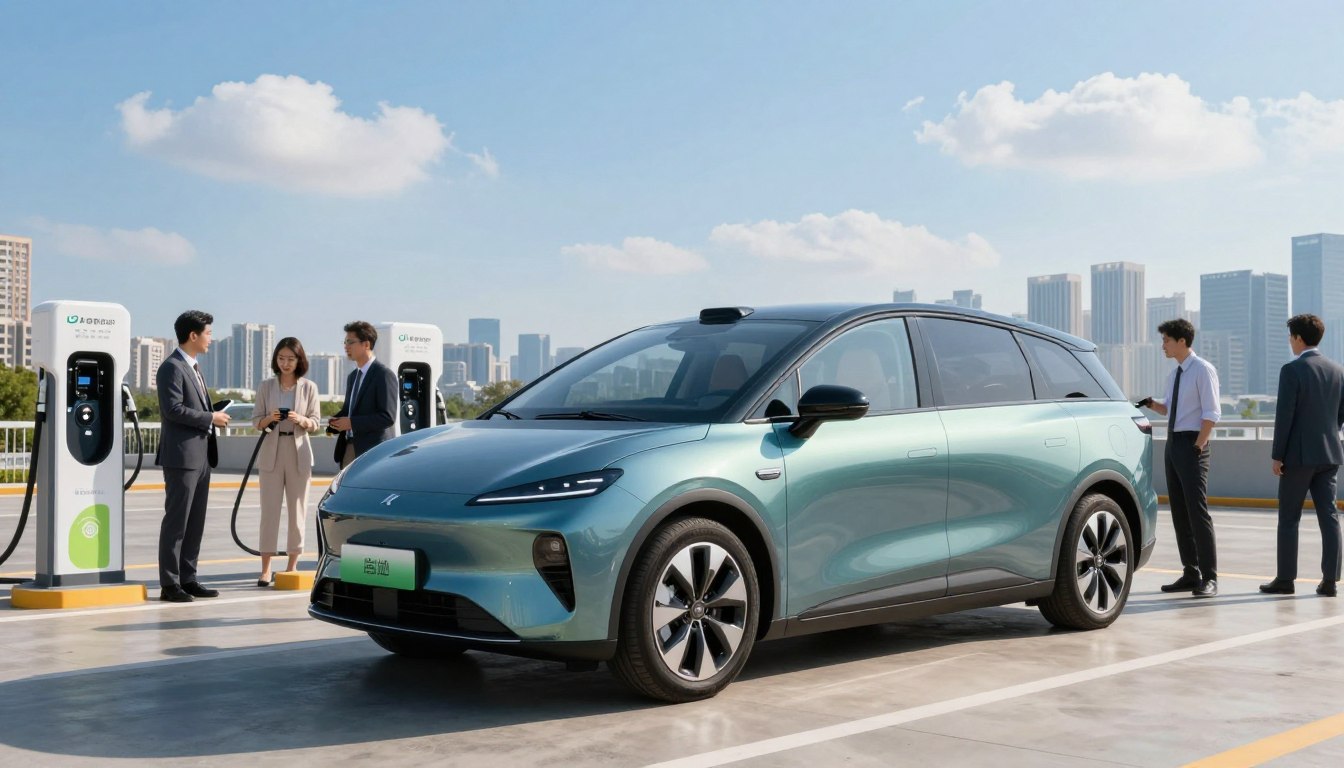
Many drivers feel the weight of rising fuel costs every time they pull into the station. There is nothing quite like the freedom of the open road, yet the worry about efficiency often clouds that joy. Modern drivers deserve smarter solutions that protect their wallets while respecting the planet.
This is where hybrid vehicles change the game. By blending traditional power with modern innovation, these cars offer a seamless driving experience. They represent a significant leap forward for the automotive industry.

Key Takeaways
- Hybrid models combine two power sources for better fuel efficiency.
- Drivers save money on long-term maintenance and fuel expenses.
- This technology reduces harmful emissions compared to standard cars.
- Transitioning to these vehicles requires no change in driving habits.
- Modern hybrids offer a smooth, quiet, and responsive ride.
The Evolution of Hybrid Technology
The development of hybrid technology has been a gradual process, transforming the automotive industry by providing more efficient and environmentally friendly options. This evolution has been driven by advancements in technology and changing consumer demands.
As the world shifted towards more sustainable practices, the automotive industry responded by innovating and improving hybrid fuel systems. The early concepts of hybrid vehicles date back several decades, but it wasn’t until the late 1990s and early 2000s that they started gaining popularity.

From Early Concepts to Modern Efficiency
The first mass-produced hybrid vehicle was the Toyota Prius, launched in Japan in 1997. Since then, numerous manufacturers have entered the hybrid market, offering a range of models that cater to different needs and preferences. Modern eco-friendly hybrid vehicles boast improved fuel efficiency, reduced emissions, and enhanced performance.
The advancements in hybrid technology have been significant, with improvements in battery technology, electric motor efficiency, and the integration of sophisticated power control units. These advancements have enabled vehicles to optimize their power sources, switching seamlessly between electric and gasoline power.
The Role of Government Regulations in Hybrid Adoption
Government regulations have played a crucial role in the adoption of hybrid vehicles. Incentives such as tax credits, rebates, and exemptions from certain fees have encouraged consumers to opt for eco-friendly vehicles. Additionally, stringent emissions regulations have pushed manufacturers to develop more efficient and environmentally friendly vehicles.
In the United States, policies like the Corporate Average Fuel Economy (CAFE) standards have driven the industry towards producing vehicles with better fuel economy. As a result, hybrid fuel systems have become more prevalent, contributing to a reduction in greenhouse gas emissions and dependence on fossil fuels.
How Hybrid Vehicles Use Both Electricity and a Gasoline Engine
By integrating electric motors with traditional internal combustion engines, hybrid vehicles achieve improved efficiency and performance. This synergy allows hybrid vehicles to optimize fuel consumption and reduce emissions, making them an attractive option for environmentally conscious drivers.
The Synergy Between Internal Combustion and Electric Motors
The heart of a hybrid vehicle lies in its ability to seamlessly switch between its gasoline engine and electric motor, or use both in tandem. The internal combustion engine provides the primary power source, while the electric motor assists during acceleration and other high-demand situations, thereby enhancing overall efficiency.
The electric motor is powered by a high-voltage battery pack, which is charged through various means, including regenerative braking. This battery pack is a critical component that enables the vehicle to operate in electric-only mode under certain conditions, such as low-speed driving.

Regenerative Braking Explained
Regenerative braking is a key feature of hybrid vehicles that captures kinetic energy and converts it into electrical energy, which is then stored in the battery pack. This process occurs when the driver applies the brakes, and the electric motor acts as a generator, harnessing the energy that would otherwise be lost as heat.
The benefits of regenerative braking are twofold. Firstly, it improves the overall efficiency of the vehicle by reducing the load on the gasoline engine. Secondly, it reduces wear on the brake pads, potentially leading to lower maintenance costs over time.
| Feature | Internal Combustion Engine | Electric Motor |
|---|---|---|
| Primary Function | Provides primary power source | Assists during acceleration and high-demand situations |
| Energy Source | Gasoline | High-voltage battery pack |
| Efficiency Benefit | Optimized for steady-state operation | Enhances efficiency during acceleration |
Types of Hybrid Systems Explained
Understanding the different types of hybrid systems is crucial for appreciating the complexity and versatility of modern hybrid vehicles. Hybrid vehicles are designed to optimize fuel efficiency, reduce emissions, and enhance performance by combining different power sources. The primary types of hybrid systems include parallel, series, and plug-in hybrid electric vehicles (PHEVs), each with its unique configuration and benefits.
Parallel Hybrid Systems
Parallel hybrid systems are characterized by both the internal combustion engine and the electric motor being connected to the transmission, allowing them to power the vehicle either together or independently. This setup is efficient for city driving and is commonly found in models like the Toyota Prius.
The parallel hybrid configuration enables the vehicle to automatically switch between the engine and the electric motor, or use both in tandem, depending on the driving conditions. This results in improved fuel efficiency and reduced emissions.
Series Hybrid Systems
In a series hybrid system, the internal combustion engine generates electricity to power the electric motor, which in turn propels the vehicle. The engine never directly powers the wheels, making it ideal for specific driving conditions such as city buses or delivery vans.
This configuration allows for the engine to operate within an optimal range, thereby enhancing efficiency and reducing emissions. However, it may not be as efficient for long-distance driving due to the energy conversion losses.
Plug-in Hybrid Electric Vehicles (PHEVs)
PHEVs offer the capability to charge the battery pack from an external power source, allowing for extended electric-only driving ranges. This makes them particularly appealing for commuters with relatively short daily drives.
PHEVs combine the benefits of electric vehicles with the range flexibility of hybrid vehicles. They can operate in electric-only mode for a significant distance before switching to hybrid mode, making them a versatile option for various driving needs.

| Hybrid System Type | Key Characteristics | Fuel Efficiency |
|---|---|---|
| Parallel Hybrid | Engine and electric motor connected to transmission | High |
| Series Hybrid | Engine generates electricity for electric motor | Variable |
| PHEV | Externally chargeable battery for extended electric range | Very High in Electric Mode |
Key Components of a Dual Power Source Vehicle
Understanding the key components of a dual power source vehicle is essential to appreciating its efficiency and performance. A dual power source vehicle, or hybrid, combines the benefits of both electric and gasoline powertrains to achieve better fuel economy and lower emissions.
The heart of any hybrid vehicle lies in its ability to seamlessly switch between its two power sources. This is made possible by several critical components working in tandem. The high-voltage battery pack and power control units and inverters are among the most crucial elements that enable the efficient operation of a hybrid vehicle.
The High-Voltage Battery Pack
The high-voltage battery pack is a pivotal component of a hybrid vehicle, storing electrical energy that is used to power the electric motor. Unlike conventional vehicle batteries, high-voltage battery packs are designed to handle the rigors of frequent charging and discharging. They are typically made from advanced materials such as lithium-ion, which offers a high energy density and longevity.
The capacity and type of the battery pack can significantly influence the overall performance and efficiency of the hybrid vehicle. Manufacturers continually work to improve battery technology, focusing on increasing energy density, reducing costs, and enhancing durability.
Power Control Units and Inverters
Power control units (PCUs) and inverters play a vital role in managing the flow of electrical energy within a hybrid vehicle. The PCU acts as the brain of the hybrid system, controlling the flow of energy between the battery pack, electric motor, and other components. It ensures that the vehicle operates in the most efficient mode possible, whether that be using the electric motor alone, the gasoline engine, or a combination of both.
Inverters are crucial for converting the direct current (DC) stored in the battery pack to alternating current (AC) used by the electric motor. This conversion is essential for the efficient operation of the electric motor, allowing the vehicle to achieve smooth and efficient propulsion.
Together, the high-voltage battery pack, power control units, and inverters form the backbone of a hybrid vehicle’s powertrain. Their harmonious operation is what enables hybrid vehicles to offer improved fuel efficiency, reduced emissions, and enhanced performance.
Environmental Impact and Eco-Friendly Hybrid Vehicles
With the growing concern over climate change, eco-friendly hybrid vehicles offer a viable solution for reducing carbon emissions in urban areas. These vehicles combine the benefits of electric and gasoline engines, resulting in lower emissions and improved fuel efficiency.
Reducing Carbon Footprints in Urban Environments
Hybrid vehicles play a significant role in minimizing the carbon footprint in urban environments. By optimizing fuel consumption and reducing reliance on gasoline, they contribute to cleaner air and a healthier environment. Key benefits include:
- Lower emissions of greenhouse gases
- Improved fuel efficiency
- Reduced air pollution in urban areas
Lifecycle Analysis of Hybrid Batteries
The lifecycle analysis of hybrid batteries is crucial in understanding their overall environmental impact. While the production of these batteries requires significant resources, their overall lifecycle benefits often outweigh the costs. Studies have shown that the environmental benefits of hybrid vehicles, including reduced emissions over their lifespan, can offset the initial environmental costs associated with battery production.
A comprehensive lifecycle analysis involves assessing the environmental impacts at every stage, from raw material extraction to end-of-life disposal or recycling. This analysis helps in identifying areas for improvement and ensuring that hybrid vehicles remain an eco-friendly option.
Economic Advantages of Hybrid Fuel Systems
One of the most significant benefits of hybrid vehicles is their potential to save owners money in the long run. By combining a conventional internal combustion engine with an electric motor, hybrid vehicles achieve better fuel efficiency, reducing the amount spent on gasoline.
Hybrid vehicles offer several economic benefits, primarily through long-term savings on fuel costs. The synergy between the electric motor and the gasoline engine means that less fuel is consumed, especially in urban driving conditions where stop-and-go traffic is common.
Savings on Fuel Costs
- Improved fuel efficiency reduces the frequency of refueling.
- Regenerative braking captures kinetic energy and converts it into electrical energy, further enhancing fuel efficiency.
- Lower fuel consumption directly translates to cost savings over time.
For instance, a study comparing the fuel efficiency of hybrid vehicles to their conventional counterparts found that hybrids can achieve up to 30% better fuel economy in city driving. This can result in significant savings, especially for individuals with long commutes.
Tax Incentives and Rebates
Beyond fuel savings, many governments offer tax incentives and rebates to encourage the adoption of hybrid and electric vehicles. These incentives can significantly reduce the upfront cost of purchasing a hybrid vehicle.
- Some states offer rebates that can be claimed after the purchase of a qualifying hybrid vehicle.
- Federal tax credits are available for buyers of hybrid vehicles, though these are subject to phase-out once a manufacturer reaches a certain sales threshold.
- Additionally, some employers and local governments provide benefits for employees who drive hybrid or electric vehicles.
These economic advantages make hybrid vehicles an attractive option for those looking to save money and reduce their environmental footprint. As technology continues to evolve, the benefits of hybrid vehicles are likely to increase, making them an even more compelling choice for consumers.
Performance and Driving Dynamics
Performance in hybrid vehicles is a multifaceted attribute that combines instant torque with efficient fuel use, offering drivers a unique driving experience.
Hybrid vehicles achieve this balance through the synergy between their electric motor and internal combustion engine. The electric motor provides instant torque, which is crucial for the vehicle’s acceleration and responsiveness.
Instant Torque and Acceleration Benefits
One of the significant advantages of hybrid vehicles is their ability to deliver instant torque, thanks to their electric motor. This results in quicker acceleration and a more responsive driving experience.
The instant torque from the electric motor complements the power from the gasoline engine, making hybrids particularly adept at handling various driving conditions, from city traffic to highway cruising.
Handling and Weight Distribution Challenges
Despite their performance benefits, hybrid vehicles also present some challenges related to handling and weight distribution. The added weight of the battery pack can affect the vehicle’s overall weight distribution, potentially impacting its handling characteristics.
However, manufacturers have been working to optimize the placement of these batteries to minimize their impact on the vehicle’s dynamics. Some hybrids are designed with the battery pack positioned low in the vehicle, which can actually improve handling by lowering the center of gravity.
Overall, the driving dynamics of hybrid vehicles are shaped by a combination of their powertrain technology and design considerations. As the technology continues to evolve, we can expect to see further improvements in the performance and handling of hybrid vehicles.
Maintenance Requirements for Hybrid Engine Technology
Understanding the maintenance needs of hybrid vehicles is crucial for their longevity. Hybrid vehicles, with their complex powertrains, require a slightly different maintenance approach compared to traditional gasoline or diesel vehicles.
One of the primary concerns for hybrid vehicle owners is the durability and maintenance of the electric components. The electric motor and associated components in hybrid vehicles are designed to be highly reliable and require minimal maintenance.
Longevity of Electric Components
The electric components in hybrid vehicles, such as the electric motor and the battery pack, are built to last. In fact, most manufacturers provide warranties on these components for up to 8 to 10 years, reflecting their confidence in their durability.
Battery longevity is a key concern for many hybrid owners. The high-voltage battery pack is designed to last the lifetime of the vehicle, with most manufacturers estimating a lifespan of around 150,000 to 200,000 miles.
Regenerative braking is another aspect that contributes to the longevity of the vehicle’s braking system. By using the electric motor to slow the vehicle, regenerative braking reduces the wear on the brake pads.
Standard Maintenance for the Gasoline Engine
While the electric components require less maintenance, the gasoline engine in a hybrid vehicle still needs regular maintenance to ensure optimal performance and longevity.
Routine maintenance tasks such as oil changes, tire rotations, and filter replacements are still necessary. The frequency of these tasks may vary depending on the manufacturer’s recommendations and the vehicle’s operating conditions.
| Maintenance Task | Frequency | Importance |
|---|---|---|
| Oil Change | Every 5,000 to 7,500 miles | High |
| Tire Rotation | Every 5,000 to 8,000 miles | Medium |
| Filter Replacement | Every 15,000 to 30,000 miles | Medium |
By following the recommended maintenance schedule and understanding the unique needs of hybrid vehicles, owners can ensure their vehicles run efficiently and effectively for years to come.
Top Contenders Among the Best Hybrid Cars
The best hybrid cars are redefining the automotive landscape by offering a compelling mix of fuel efficiency, performance, and cutting-edge technology. As the demand for eco-friendly vehicles continues to rise, several models have emerged as top contenders in the hybrid market.
Toyota Prius: The Industry Standard
The Toyota Prius has long been synonymous with hybrid technology, offering exceptional fuel economy and a reputation for reliability. With its advanced powertrain and aerodynamic design, the Prius remains a benchmark for hybrid vehicles.
Key Features:
- Fuel economy of up to 56 mpg in the city
- Advanced safety features, including adaptive cruise control
- Spacious interior with ample cargo space
Honda CR-V Hybrid: Versatility and Efficiency
The Honda CR-V Hybrid combines the practicality of an SUV with the benefits of hybrid technology. It offers a smooth and quiet ride, along with impressive fuel economy ratings.
Key Features:
- Fuel economy of up to 40 mpg in the city
- Generous cargo space and comfortable seating
- Advanced all-wheel-drive system for improved traction
Hyundai Ioniq: Modern Tech Integration
The Hyundai Ioniq is a versatile hybrid model available in various trim levels, including hybrid, plug-in hybrid, and electric versions. It boasts modern design and a range of innovative features.
Key Features:
- Fuel economy of up to 53 mpg in the city for the hybrid model
- Advanced safety features, including forward collision avoidance
- Modern infotainment system with a user-friendly interface
Here’s a comparison of the key specifications of these top hybrid models:
| Model | Fuel Economy (City) | Starting Price | Notable Features |
|---|---|---|---|
| Toyota Prius | Up to 56 mpg | $24,350 | Exceptional fuel economy, advanced safety features |
| Honda CR-V Hybrid | Up to 40 mpg | $28,050 | Versatility, smooth ride, advanced all-wheel drive |
| Hyundai Ioniq Hybrid | Up to 53 mpg | $23,200 | Modern design, advanced safety features, versatile trim options |
Overcoming Common Myths About Hybrid Vehicles
As hybrid technology advances, it’s crucial to separate fact from fiction regarding these eco-friendly vehicles. Hybrid vehicles have become increasingly popular due to their fuel efficiency and reduced environmental impact. However, several myths surrounding their functionality and benefits continue to circulate.
Addressing Battery Replacement Concerns
One of the most prevalent myths about hybrid vehicles is the concern over battery replacement costs and longevity. Many potential buyers worry that the batteries will drain quickly or need to be replaced frequently, incurring significant expenses.
However, most hybrid vehicle manufacturers have made significant advancements in battery technology, ensuring that their batteries are durable and long-lasting. In fact, many hybrid batteries are designed to last the lifetime of the vehicle.
Debunking Reliability Fears
Another common myth is that hybrid vehicles are less reliable than their gasoline-powered counterparts. This misconception likely stems from early hybrid models, which sometimes experienced reliability issues.
However, modern hybrid vehicles have undergone significant improvements. Manufacturers have worked to enhance the reliability of hybrid systems, and many now offer warranties on their hybrid components. For example, some manufacturers provide an 8-year, 100,000-mile warranty on their hybrid batteries.
Some key facts to consider when evaluating hybrid vehicles include:
- The average lifespan of a hybrid battery is between 8 to 15 years.
- Most hybrid vehicles experience a minimal decrease in fuel efficiency over time.
- Regular maintenance is crucial for ensuring the longevity of hybrid vehicles.
By understanding the facts behind common myths, consumers can make more informed decisions when considering a hybrid vehicle. With advancements in technology and manufacturing, hybrid vehicles offer a reliable, eco-friendly alternative to traditional gasoline-powered cars.
Future Trends in Hybrid and Electric Integration
The future of transportation is being rewritten with advancements in hybrid and electric vehicle technology, promising a cleaner and more efficient tomorrow. As the world continues to grapple with environmental challenges, the automotive industry is responding with innovative solutions that are changing the way we think about mobility.
The integration of hybrid and electric vehicles is not just a trend; it’s a significant shift towards a more sustainable future. With governments around the world implementing policies to reduce carbon emissions, the demand for eco-friendly vehicles is on the rise. This shift is driven by technological advancements, particularly in battery technology, which is the backbone of both hybrid and electric vehicles.
Advancements in Solid-State Battery Technology
One of the most exciting developments in the field of electric vehicles is the advent of solid-state battery technology. Unlike traditional lithium-ion batteries that use a liquid electrolyte, solid-state batteries replace this liquid with a solid material, enhancing safety, energy density, and charging speeds. This technology has the potential to revolutionize the electric vehicle industry by providing batteries that are not only more efficient but also safer and more environmentally friendly.
Solid-state batteries are expected to offer several advantages, including faster charging times, higher energy density, and improved safety due to the elimination of flammable liquids. Companies like Toyota, Volkswagen, and BMW are already investing heavily in the development of solid-state batteries, indicating a strong industry commitment to this technology.
The Shift Toward Full Electrification
As battery technology continues to improve, the automotive industry is witnessing a gradual shift towards full electrification. Many manufacturers are now setting ambitious targets to electrify their entire lineups, with some planning to become fully electric in the next two decades. This shift is not limited to passenger vehicles; commercial vehicles and public transportation are also being electrified, contributing to a broader reduction in emissions.
The move towards full electrification is supported by declining battery costs, improving charging infrastructure, and increasing consumer demand for electric vehicles. As the technology continues to mature, we can expect to see a significant increase in the adoption of electric vehicles, further reducing our reliance on fossil fuels and lowering emissions.
In conclusion, the future of hybrid and electric integration looks promising, with advancements in solid-state battery technology and a clear industry shift towards full electrification. As these trends continue to unfold, they are likely to have a profound impact on the automotive industry and the environment.
Conclusion
Hybrid vehicles have emerged as a pivotal technology in the transition towards more sustainable and environmentally friendly transportation solutions. By combining the benefits of both electricity and gasoline, hybrid vehicles offer a compelling alternative to traditional internal combustion engine vehicles.
The various types of hybrid systems, including parallel, series, and plug-in hybrids, cater to different needs and preferences, making hybrid technology accessible to a wide range of consumers. The economic advantages, such as long-term savings on fuel costs and potential tax incentives, further enhance their appeal.
As the automotive industry continues to evolve, with advancements in battery technology and a shift towards full electrification, hybrid vehicles are poised to play a significant role in reducing carbon footprints and promoting eco-friendly transportation. The future of hybrid vehicles looks promising, with many manufacturers investing heavily in hybrid and electric vehicle technology.
In conclusion, hybrid vehicles represent a significant step forward in the quest for more sustainable transportation solutions, offering a balance between environmental responsibility and driving convenience.
FAQ
How do hybrid vehicles manage to use both electricity and a gasoline engine so effectively?
Modern hybrid technology relies on a sophisticated onboard computer that constantly monitors driving conditions. In a dual power source vehicle, the system decides whether to use the electric motor for low-speed cruising, the gasoline engine for highway speeds, or a combination of both for maximum acceleration. This seamless transition ensures that the vehicle remains as efficient as possible at all times.
What are the most significant hybrid vehicle benefits for daily commuters?
One of the greatest hybrid vehicle benefits is the substantial reduction in fuel consumption, especially in stop-and-go city traffic where the electric motor does most of the heavy lifting. Additionally, owners of eco-friendly hybrid vehicles often enjoy a quieter cabin experience and may be eligible for various tax incentives or rebates depending on their local government regulations.
How does a hybrid fuel system capture energy that traditional cars lose?
An electric and gasoline hybrid utilizes a process called regenerative braking. When the driver applies the brakes or coasts, the electric motor reverses its function to act as a generator, capturing kinetic energy and storing it in the high-voltage battery pack. This recovered energy is then reused to power the vehicle, making the hybrid fuel system much more efficient than a standard internal combustion setup.
Which models are currently ranked among the best hybrid cars for reliability and performance?
The automotive market features several standout performers that have set high standards for the industry. The Toyota Prius remains a global benchmark for efficiency, while the Honda CR-V Hybrid offers a perfect blend of utility and fuel economy. For those seeking advanced tech integration, the Hyundai Ioniq is frequently cited as one of the best hybrid cars available today.
Is the maintenance for hybrid engine technology more complicated than a standard car?
While hybrid engine technology involves more components, it does not necessarily mean higher maintenance costs. In fact, because the gasoline engine is used less frequently and the regenerative braking system reduces wear on traditional brake pads, many owners find their long-term maintenance needs are quite manageable. The electric components are specifically engineered for the lifetime of the vehicle, providing peace of mind for the owner.
What is the difference between a standard hybrid and a Plug-in Hybrid Electric Vehicle (PHEV)?
Both types use both electricity and a gasoline engine, but they differ in how they are charged. A standard hybrid charges its battery solely through the internal engine and braking. In contrast, a Plug-in Hybrid Electric Vehicle (PHEV) can be connected to an external power source, allowing it to travel longer distances on purely electric power before the gasoline engine needs to engage, effectively acting as a more versatile dual power source vehicle.
Are eco-friendly hybrid vehicles actually better for the environment over their entire lifespan?
Yes, they generally are. Even when accounting for the manufacturing process of the high-voltage battery, eco-friendly hybrid vehicles significantly reduce greenhouse gas emissions over their driving life. As recycling programs for hybrid technology components continue to improve, the total carbon footprint of these vehicles remains much lower than that of traditional gasoline-powered cars.